List of Tillotson Construction supervisors includes 2 unfortunate incidents

Flagler by Gary Rich

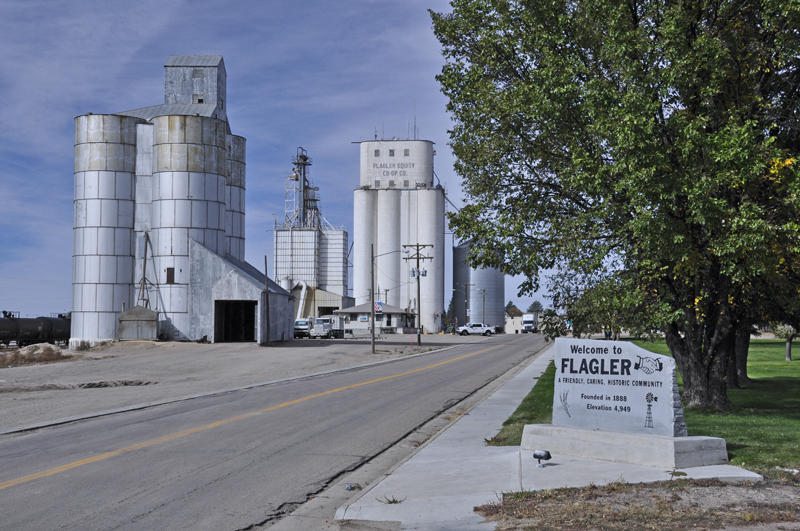
Flagler, Colo. in 2011. Photo by Gary Rich

By Ronald Ahrens

My uncles Tim and Charles Tillotson have put their heads together and come up with a list of supervisors who directed operations on Tillotson Construction Company jobs. What follows are Uncle Tim’s notes, and we’ve done the best that we can in regard to spelling.

Glen Morrison

Francis Dawson (ranch in New Mexico connected to ours)

Doyle Elliott

Glen Casey

Jerry Grimes

Wallly Farmer (also did the house, Kelby Road)

Bill Russell (had seven [surviving] sons; some ran jobs for us; one [the eighth] was electrocuted dropping a steel measuring tape down one morning to verify height on a deck “story pole”; wind blew tape, which touched bare spot on high-tension power lines)

Jim Sheets (’bout half Native American)

Everett Glen (Chas & I concur Everett was the super on Flagler, Colo., in 1953; I had told you before that Mother found him dead in his car in the parking at the house where he was working on finish trim, cabinet work, et cetera; this unfortunate incident had to be fall or winter of ’53 after the job in the summer.)

Painting an elevator meant ‘swing time’ on a flying scaffold in the wind

Scan

By Ronald Ahrens

This photo from the Tillotson Construction Company archives shows two painters on a flying scaffold at an undetermined elevator.

The following passage is by my Uncle Merle Ahrens, who recalls spending the summer of 1955 with my Uncle Mike Tillotson, painting elevators in Nebraska:

When Michael and I started work, all the concrete pouring was complete and we were given the task of painting the outside of the whole elevator. We painted it using a lime-base whitewash.

We had to crawl over the edge of the top of the tank onto a flying scaffold. The scaffold was held up by a pair of rope block-and-tackles connected to a pair of wood beams that were extended about two feet over the edge of the tank. The wood beams extended about ten feet inboard and were weighed down with sandbags to keep the scaffold from falling. The scaffold was made up of a pair of two-by-twelve boards with a metal frame at each end and two-by-four railings around it. The rope block and tackles were attached to the scaffold on the ground. We had to pull the scaffold up to the top every time for each ten-foot width we painted.

There was an old man on the ground who mixed the paint and pulled it up to us in a five gallon bucket. He had a harder job than we had. All we had to do was brush on the paint and pull the rope to release the half hitch that held up the scaffold and let gravity work to lower it. The “flying” part of flying scaffold was when the wind was blowing. You would fly halfway around the tank.

Merle at home

Merle Ahrens in 2011 at his home in Titusville, Florida.

Every night we would take off our Levi’s and stand them in a corner. There was so much paint on them! Yet one pair lasted all summer.

After a couple of months we finished painting the elevator in Lincoln and went to David City to paint another grain elevator. This time we used a new latex paint. It was very slow-drying and the wind kicked up a lot of dust. The elevator ended up white with grey stripes.

We kept hearing of accidents at other sites. One man [Larry Ryan]was said to have fallen from a plank used to walk between the tops of two tanks. He was wearing new boots and slipped.

Another was killed when roofers removed the sandbags holding the beam for the flying scaffold so they could hot-tar the roof.

A couple more were hurt while riding on a bucket and the clamps holding the cable slipped. The clamps were installed wrong.

I do know for a fact that one worker at Lincoln was hit in the face when a five-gallon bucket with concrete in it fell while he was using a rope and pulley to lift it overhead.

Visit original post:

Painting a concrete grain elevator in Lincoln, Nebraska

Uncle Tim Tillotson recalled the challenge of painting while the scaffold flew back and forth in the wind. “When you’d come back you’d get a few licks in with the brush,” he said.

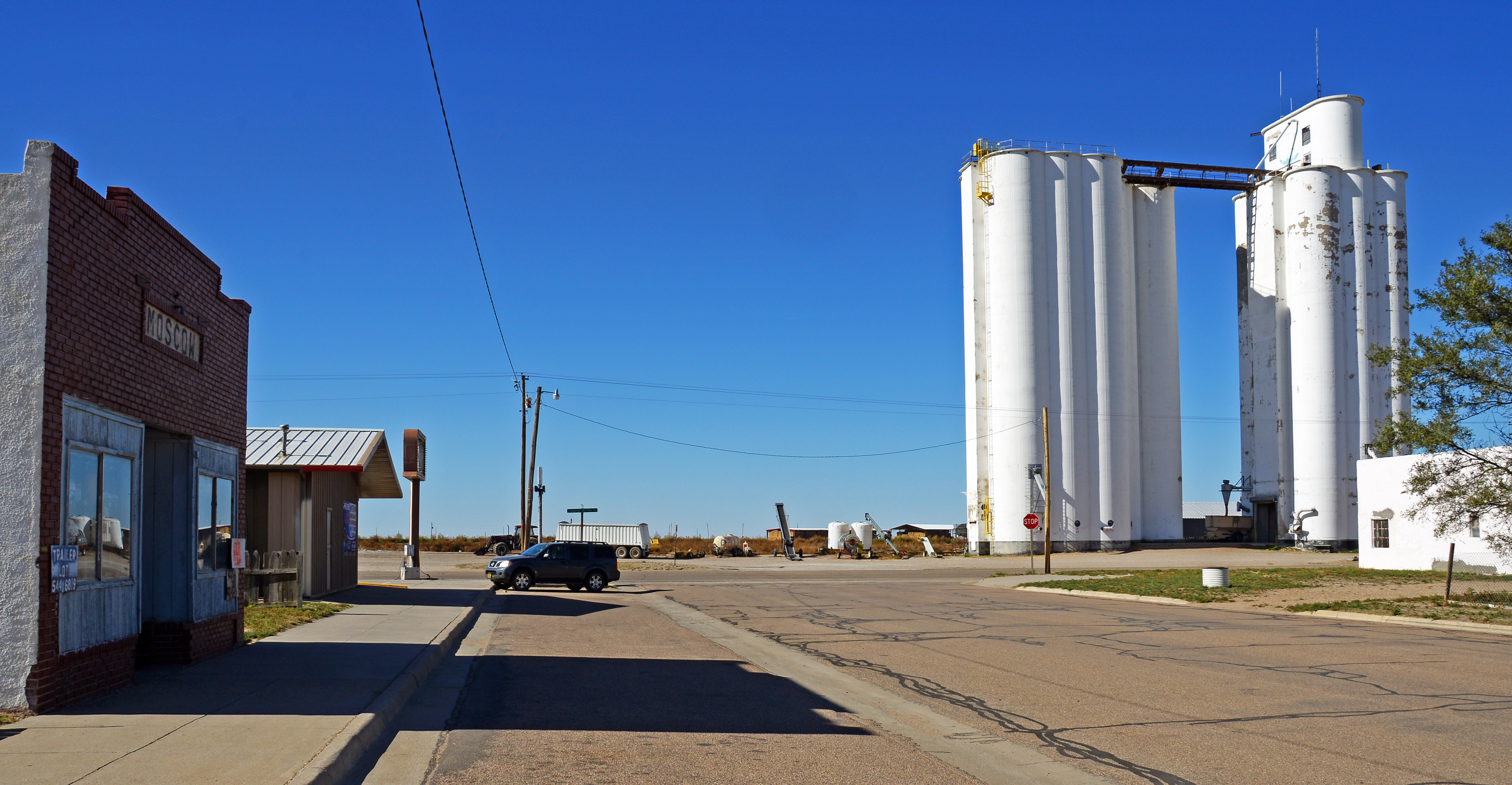
Despite ADM’s ‘No Admittance,’ the mystery of Moscow is solved

Elkhart 189 copy

Story and photos by Gary Rich

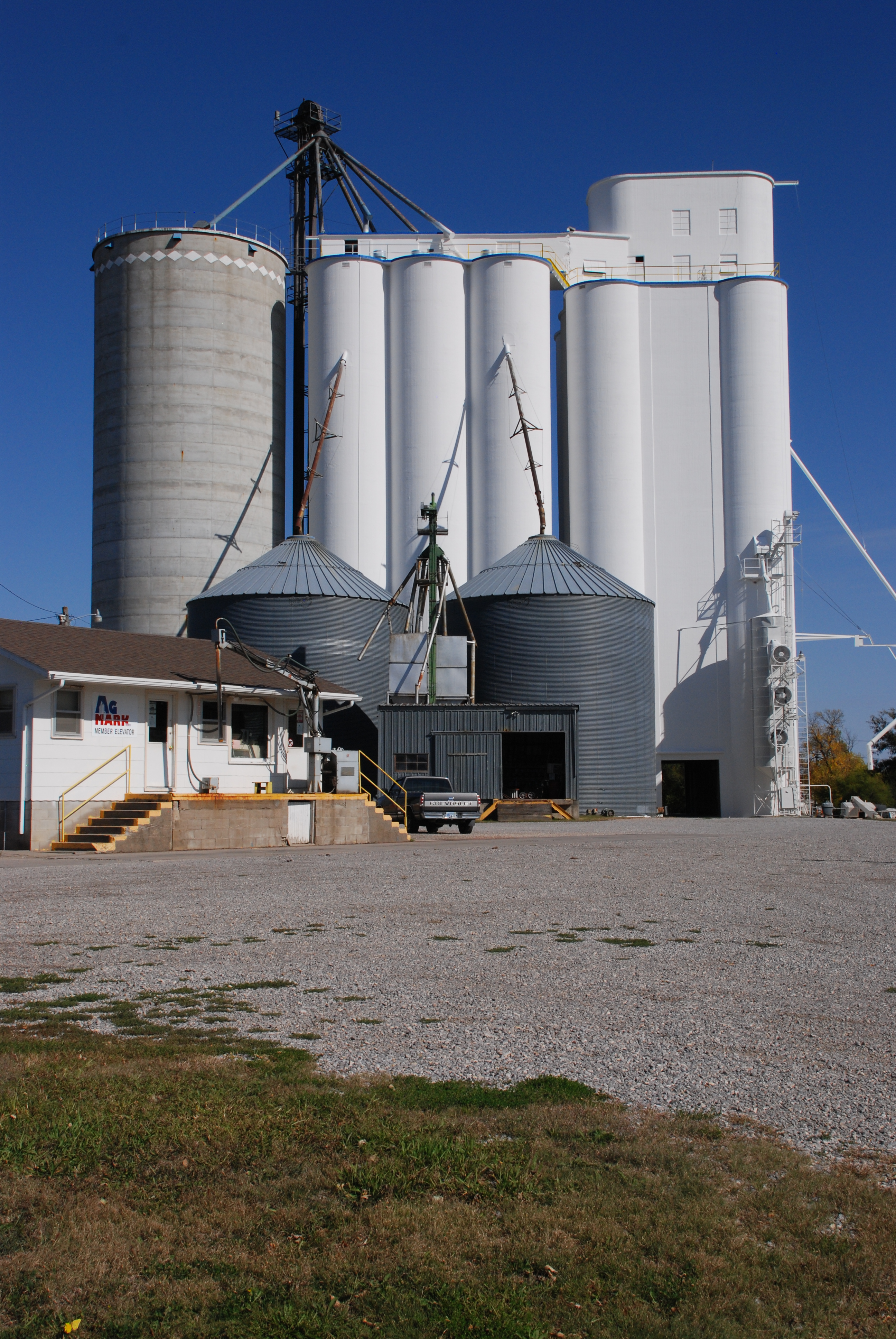
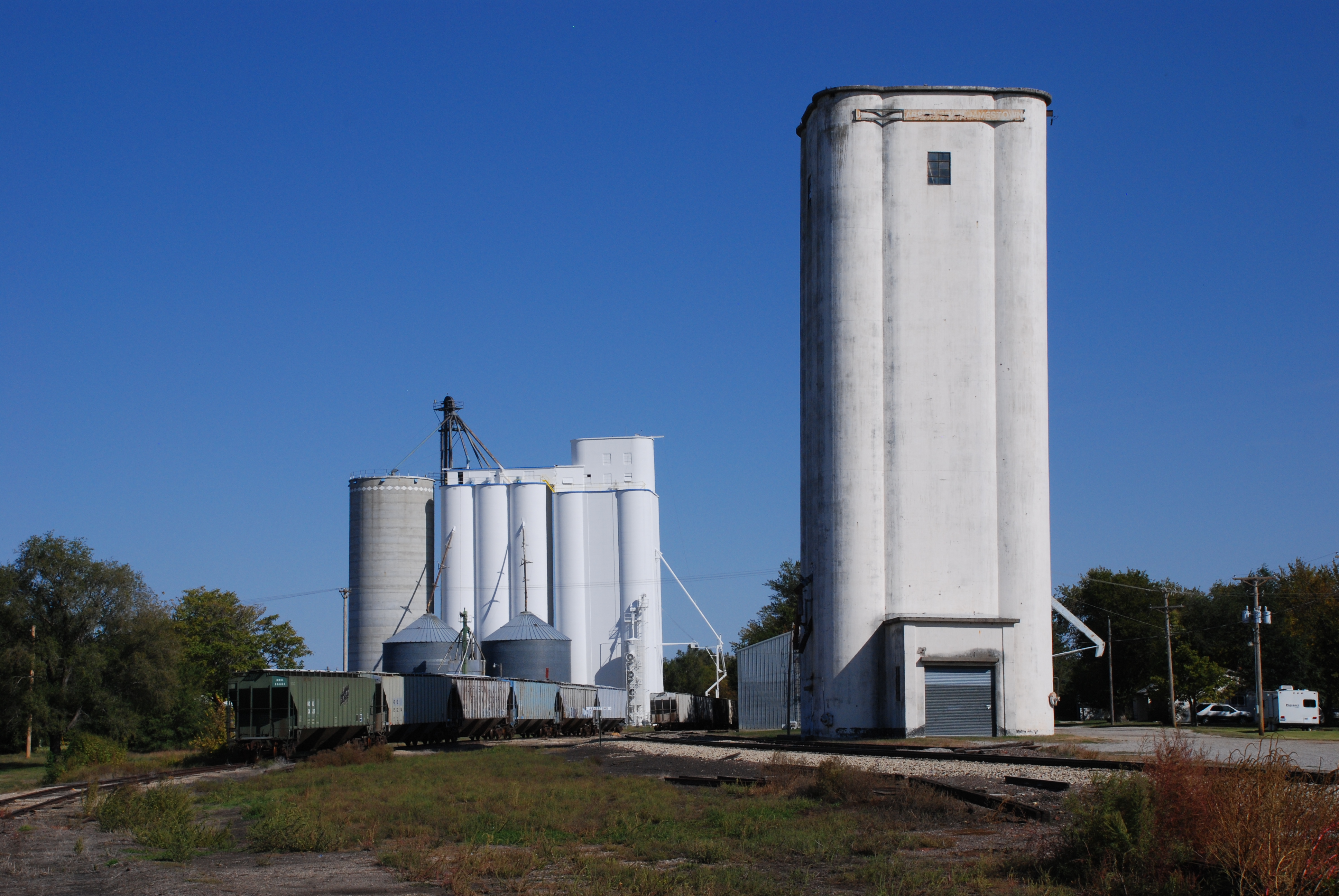
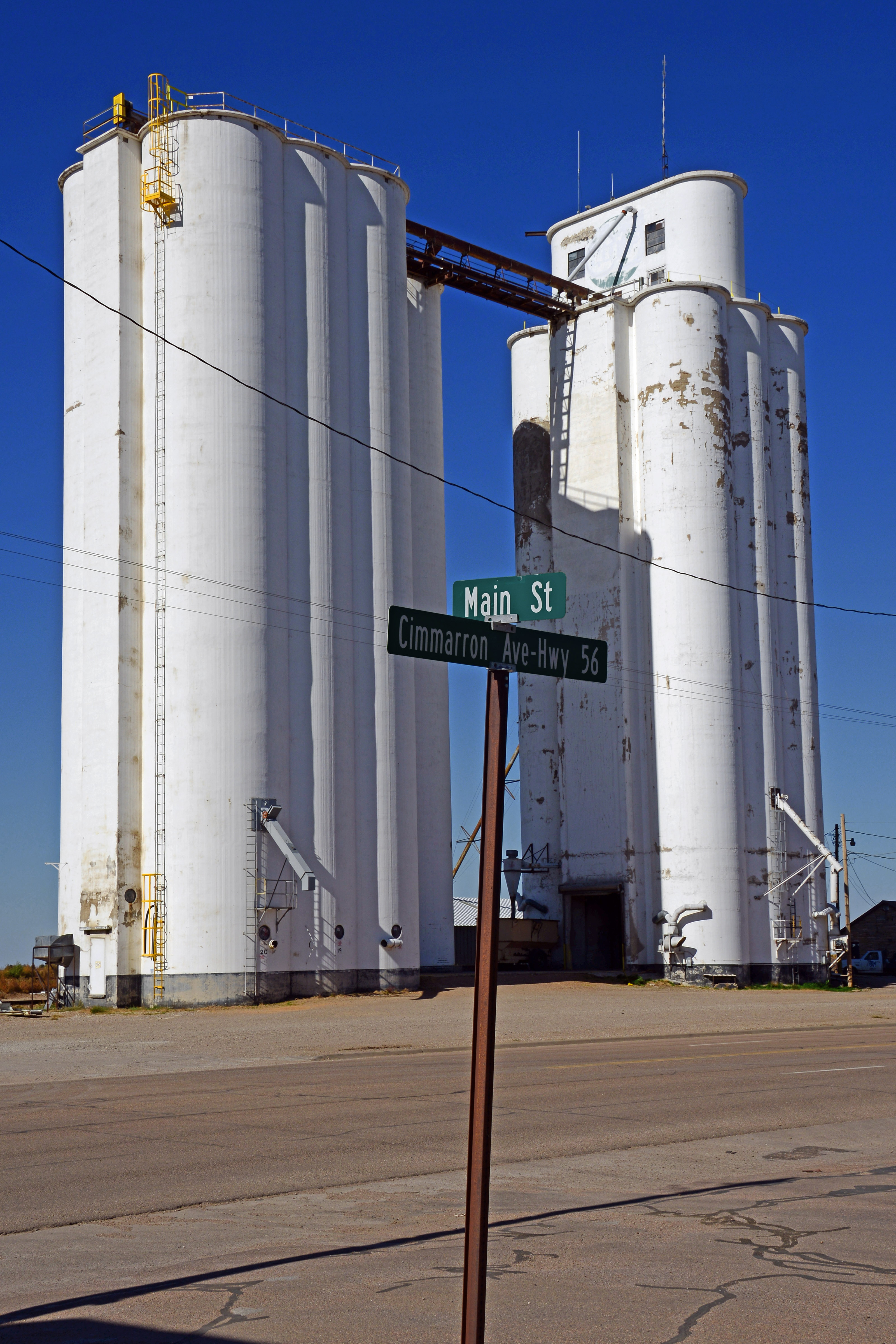
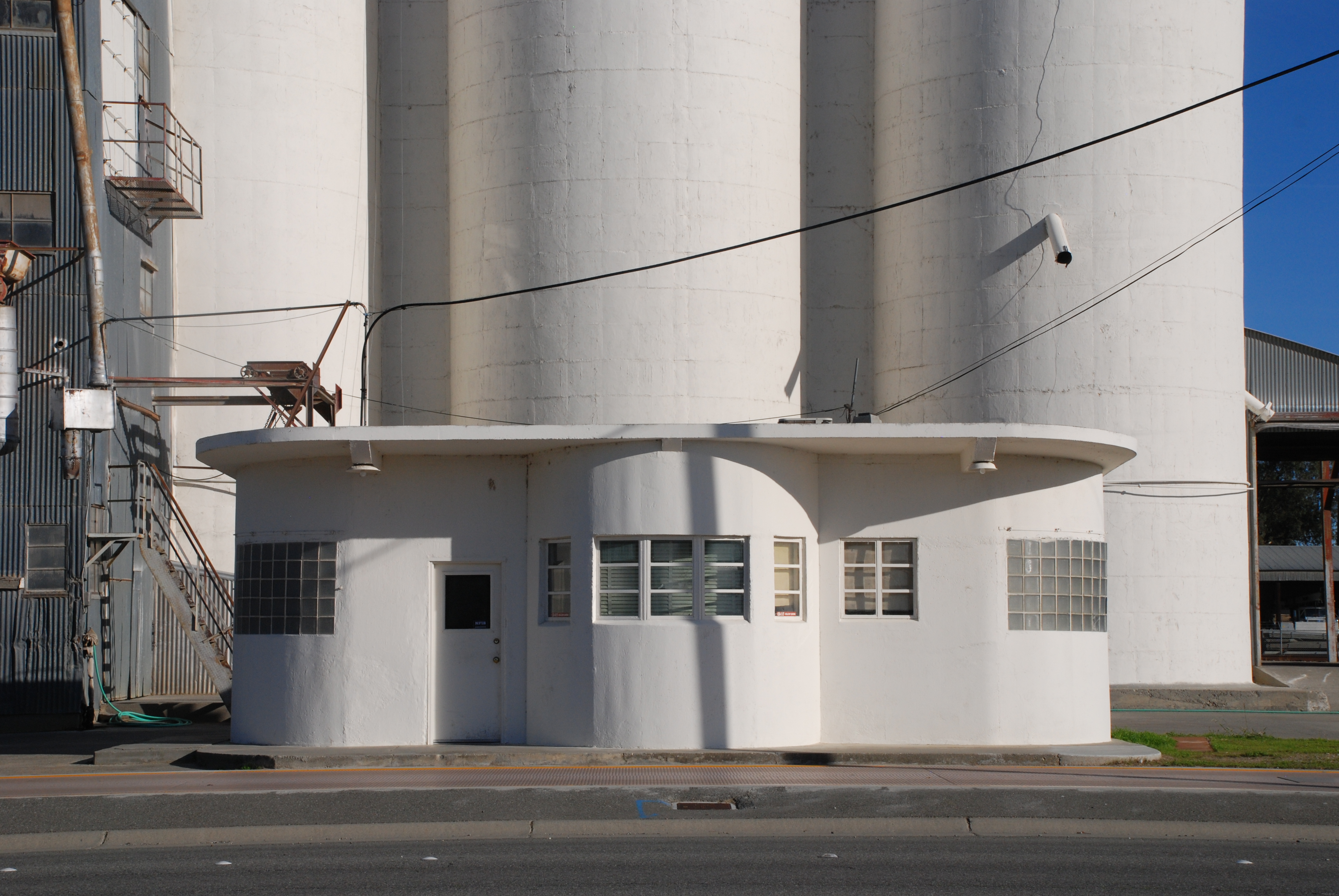
I spent a couple days during October 2012 photographing grain elevators in southwestern Kansas. Arriving in tiny Moscow, Kan., I saw a concrete elevator with a curved headhouse and had a hunch it was built by Tillotson Construction Company.

My problem was that it was operated by Archer Daniels Midland. ADM has a strict policy of not allowing anyone on their property. I went inside and had a conservation with the elevator manager. I didn’t have any hope getting into the elevator. He told me that it was built by Chalmers & Borton. I knew this was not the case, since Chalmers & Borton never built an elevator with a curved headhouse. He told me I could take all the photos I wanted. However, it would be across the street from the elevator.

I have wondered since this trip how I would ever find the true builder for this Moscow elevator.

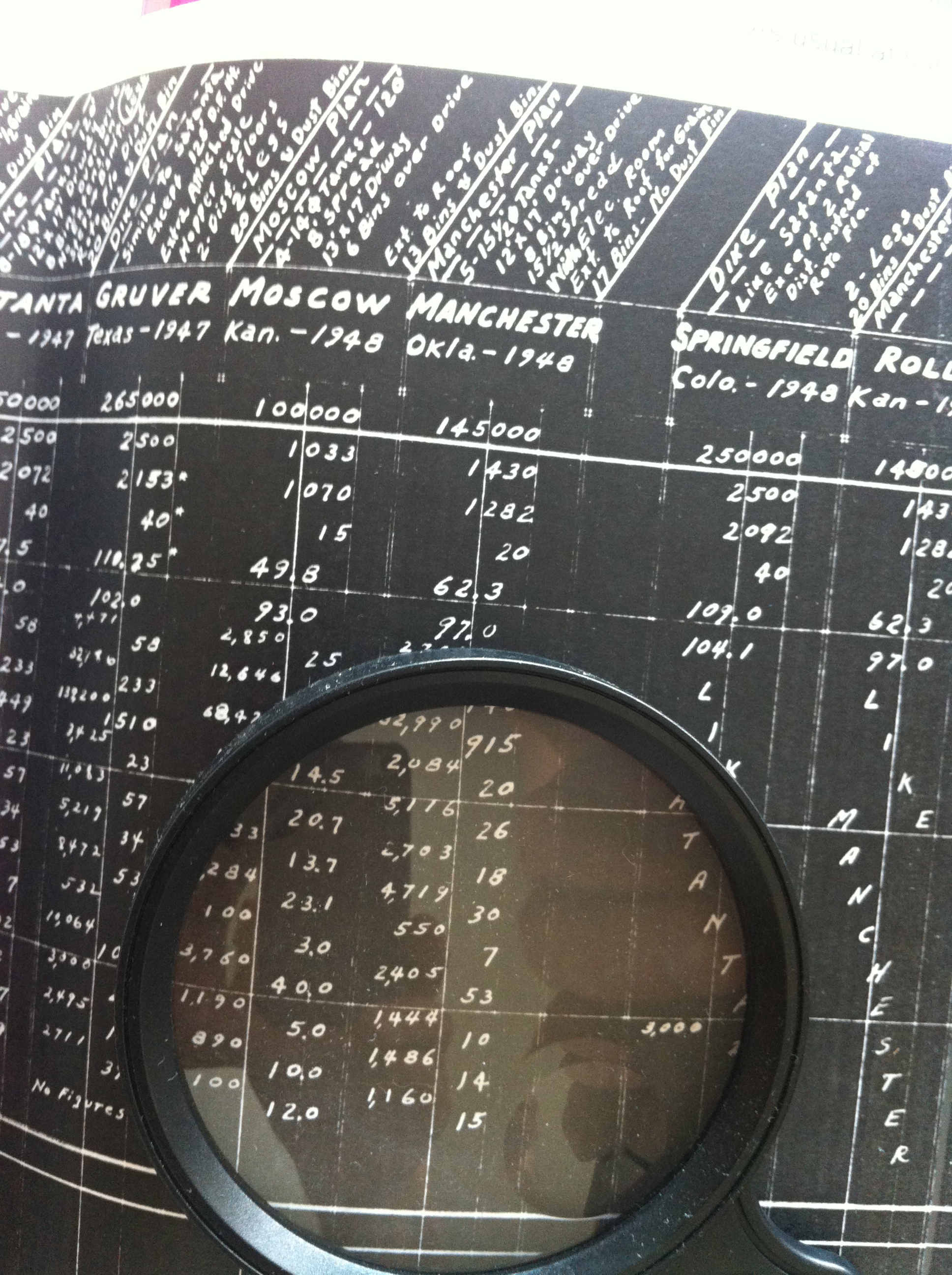
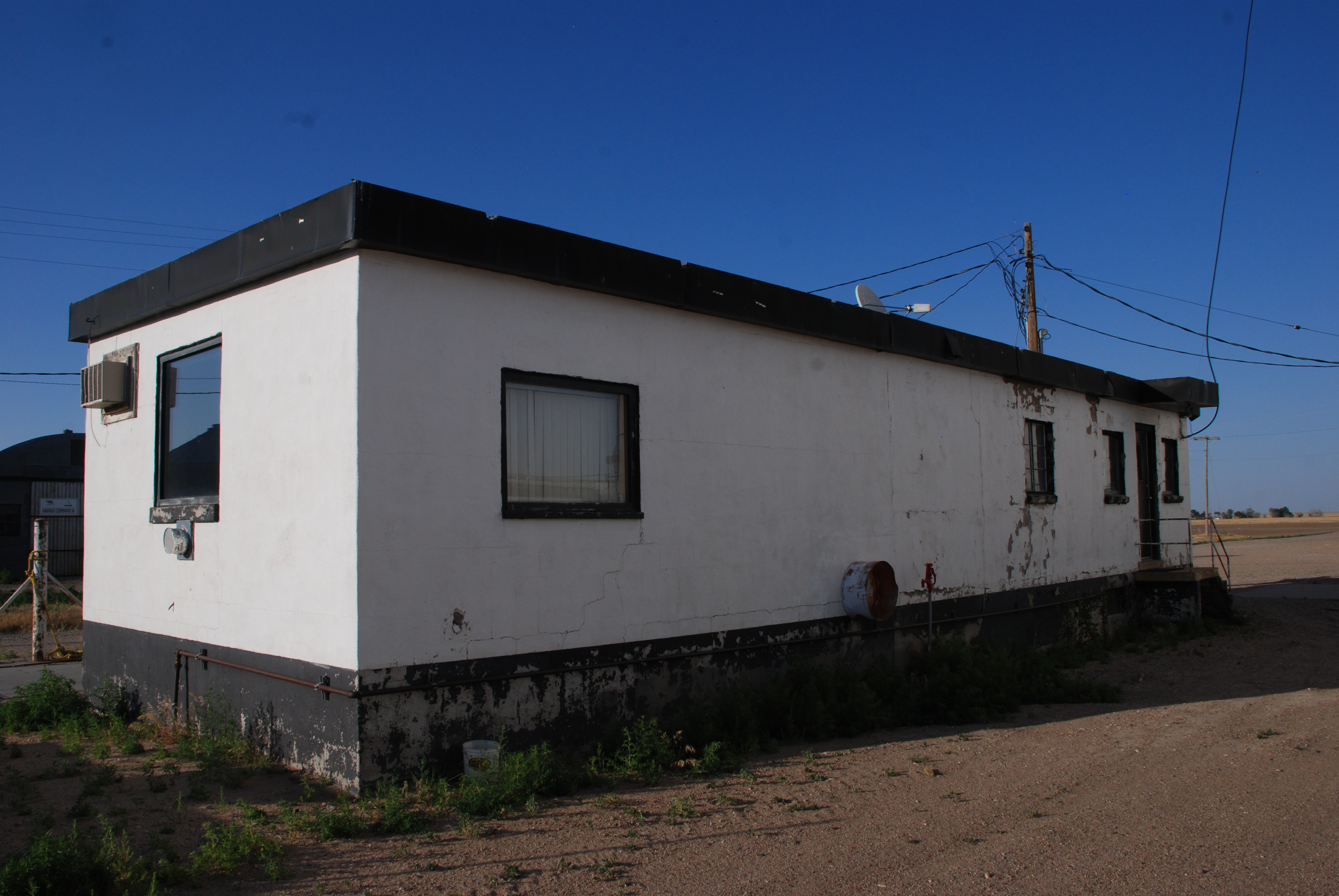
Elkhart 207 copy copyabThe recently discovered records of Tillotson Construction Company show that Tillotson indeed built this elevator in 1948. Capacity was 100,000 bushels with 14 tanks and a 13-foot-wide center driveway. Six bins were over the driveway.

The Moscow elevator was a very small one for anything made of slip-formed concrete. Tillotson built another relatively small elevator in Rolla, Kan., that had a 140,000-bushel capacity. Most that Tillotson was building in this time frame were of 200,000-bushel capacity or even larger.

The Santa Fe Railroad had a branch line from Dodge City, Kan., to Boise City, Okla. It was about 140 miles in length. Tillotson Construction built elevators in Ensign, Montezuma, Satanta, Moscow, Rolla and Elkhart, Kan.

It’s  quite an accomplishment that Tillotson built six elevators along this line.

Elkhart 204 copy

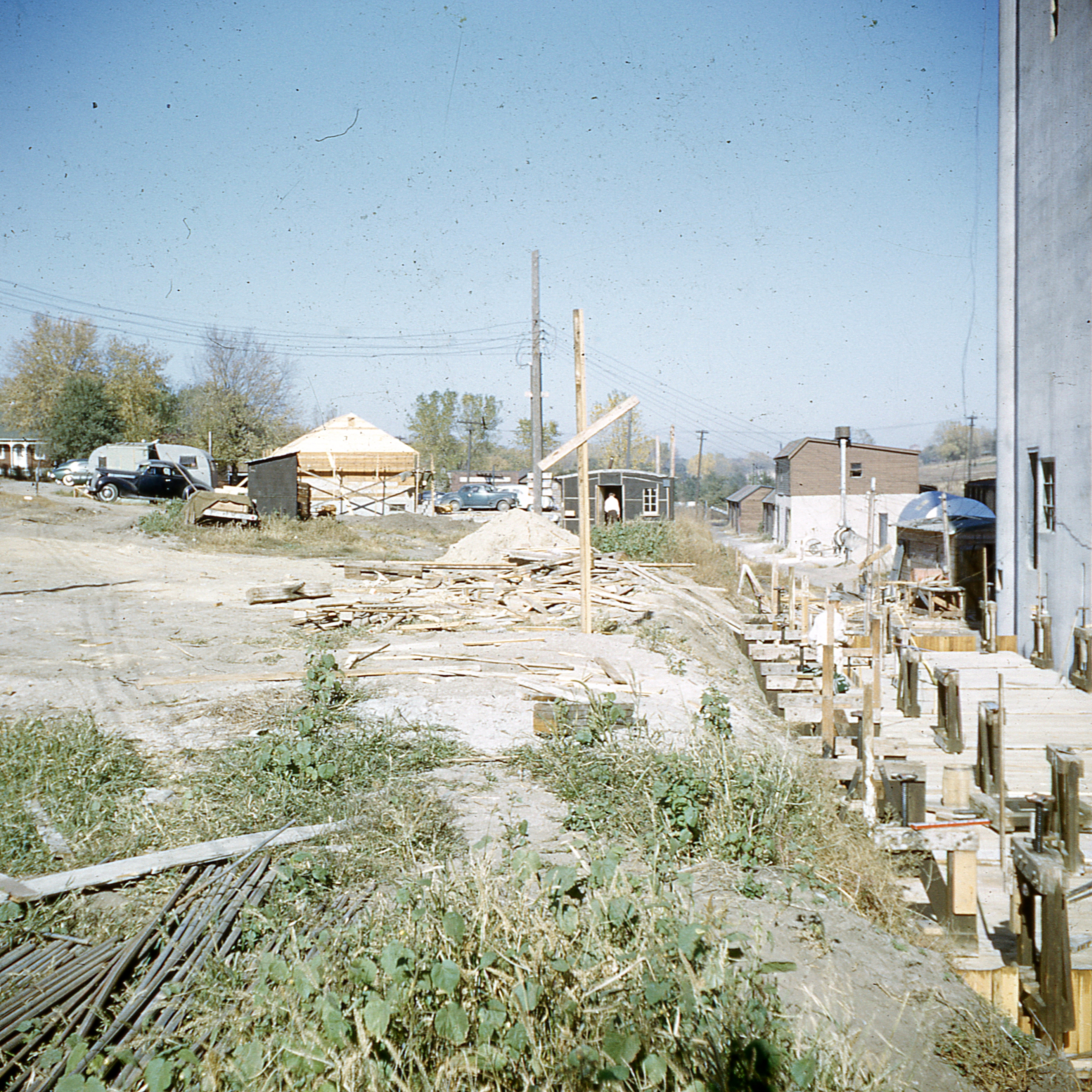
Did shacks temporarily shelter workers at Tillotson’s Vinton Street site?

Vinton Street Shacks

By Ronald Ahrens

This photo from Tillotson Construction Company’s archives looks south from the site of the Vinton Street elevator, completed in 1950. On the far right you see the main house, which is finished but for windows. The driveway is formed up. Leftover rebar is in the lower left and scrap is heaped in the center.

It’s unknown whether the silver trailer was being used in connection with the job, perhaps as an office. The black car, which could be a 1938 Buick, and the ugly-duckling blue-gray car, which could be a Plymouth (or maybe a Hudson?)–did they belong to employees?

What especially intrigues us are the shacks along the street. Were they part of the job–again, as office space, or to accommodate  workers? Two of my Tillotson uncles have strained their memories but aren’t able to put together this part of the story, explaining why the photo was taken.

The Big Springs, Nebraska, elevator proved to be a Mayer-Osborn Construction job

The Cheppell, Nebraska elevator built by Chalmers & Borton

The Chappell, Nebraska elevator built by Chalmers & Borton. 

Story and photos by Kristen Cart

My grandfather William Osborn built an elevator in the western Nebraska town of Chappell, according to my dad Jerry Osborn. Dad’s recollections have guided our search thus far, for Mayer-Osborn elevators. Surely over the kitchen table he heard the names of towns where his absent father had construction jobs. Or perhaps he saw the postmarks of letters sent home.

Chappell was probably stamped on one of those postmarked letters, or it was the nearest town with a motel, because when I went to visit in 2011, there was nary a Mayer-Osborn elevator in evidence. Impressive elevators there were, but I found out later that they all had the ubiquitous Chalmers & Borton nameplate, the trademark of Grandpa’s biggest competitor.

The Mayer-Osborn elevator lacked the annex when it was first built. It is the same plan as used in McCook, Neb. and Blencoe, Iowa.

The Mayer-Osborn elevator at Big Springs, Neb. lacked the annex when it was first built. It is the same style as used in McCook, Neb., and Blencoe, Iowa.

One stop east on the rail line, however, was a large, handsome elevator that looked like one of Mayer-Osborn’s jobs. It was the spitting image of the first elevator Grandpa built on his own at McCook, Neb. The first time I saw it, I was curious enough to snap a photo, but identification was going to wait for another year. My dad knew nothing about Big Springs.

When Gary Rich, a contributor to this blog, looked into the builders of the elevators he photographed, he solved the mystery. He identified the Big Springs elevator by its manhole covers inside the driveway, each embossed with “Mayer-Osborn Construction, Denver, Colo.” above the Hutchinson Foundry stamp.

The Big Springs, Neb. elevator in October, 2012

The Big Springs, Neb., elevator in October, 2012. 

I paid another visit to Big Springs last fall after our Wyoming elk hunt. We didn’t get any elk, but I did get some nice photographs of the elevator. It was a sleepy Sunday with no one around. Next time, perhaps I can see inside.

It is an honor to pay respects to my grandfather’s enduring work. It is living history of a kind that is rarely noticed or mentioned. Once gone, it is scarcely remembered except in dusty repositories of pictures, and in mostly forgotten stories.

At Big Springs, Neb., that day of fading away is still far off in the future.

The Vinton Street elevator’s driveway took special planning before construction


Vinton Street Drive way

By Ronald Ahrens

The Vinton Street elevator‘s driveway required the building of plenty of formwork before concrete could be poured. Here we see two men making final preparations. One is sweeping the deck, while the worker at the lower right is perhaps using a tool. The unknown photographer’s shadow intrudes into the lower left part of the frame.

Records show that 17 cubic yards of concrete were allotted for the driveway and the elevator’s work floor. The amount of reinforcing steel was not recorded.

A truck shed was then built. Although we lack a photo of it after completion, the record does show that Johnson Overhead Doors were to be installed, one at each end of the shed. And of course a scale was part of the package.

The Vinton Street elevator was Tillotson Construction’s 1950 hometown showcase

Scan 4

Story by Ronald Ahrens 

The Vinton Street elevator in Omaha was a significant job for Tillotson Construction Company, being a technical challenge to the nine-year-old outfit and representing a major emphasis in its subsequent marketing effort.

Lucky for us, much attention was paid to taking good photos of the elevator, including some early color images that include views of the construction process. These photos were in the hands of Uncle Tim Tillotson, who passed them to us for scanning. The color ones came from a viewer that was presumably shown to prospective clients.

With its headhouse accommodating three legs to lift the grain, it was tall. Exactly how tall isn’t recorded, but it probably came within sniffing distance of 200 feet. Only a few of the city’s downtown office towers surpassed its height, although they weren’t necessarily better-looking.

This terminal elevator had capacity of 382,880 bushels, and the legs handled distribution of the grain inside the main house.

Scan 5It also was a showcase that family and friends could see for themselves. Until then, Tillotson Construction had been building elevators in Texas and Oklahoma as well as some less far-flung places.

The elevator was completed in 1950 on a South Omaha greenfield site at 34th and Vinton Streets. The company’s office at 12th and Jones was only three miles away.

Another reason for its significance is that Reginald and Margaret Tillotson’s oldest son Charles went to work as an apprentice carpenter and hod carrier on the job. He helped to build several other elevators over the next few years.

With the Tillotson construction record now in hand, we present the following technical specifications without yet having achieved a full understanding of all the abbreviations and lingo.

General specifications

Total capacity: 382,880 bushels

Capacity: 38,878 bushels per foot

Reinforced concrete: 4776 cubic yards

Plain concrete (hoppers): 35.3 cubic yards

Reinforcing steel (includes jack rods): 286.5 tons

Average steel per cubic yard of reinforced concrete: 120 lb

Construction of the hoist very early in the process of building the Vinton Street elevator. Note the Georgia buggies near the formwork.

Construction of the hoist very early in the process of building the Vinton Street elevator. Note the Georgia buggies near the formwork.

Steel and Concrete

Below main slab: 20,932 lb/223 c.y.

Main slab: 66,579 lb/618 c.y.

Drawform walls: 233,927 lb/2100 c.y.

Driveway and work floor: no figure for steel/17 c.y.

Deep bin bottoms (including columns): no figure for steel/155 c.y.

O.H. bin bottoms: no figure for steel/40 c.y.

Bin root: no figure given for steel/90 c.y.

Scale floor (or garner, complete): no figure for steel/17 c.y.

Cupola (headhouse) walls: no figures

Distributor floor (cleaner floor): no figure for steel/8 c.y.

Cupola roof (gallery): no figure for steel/49 c.y.

Miscellaneous (headhouse): no figure for steel/640 c.y.

Attached driveway: driveway 416 c.y., track shed 403 c.y.

Construction Details

Main slab dimensions: 58 x 119.5 feet

Main slab area (outside on ground): 6690 sq ft

Weight reinforced (total) concrete  at 4000 lb per c.y., plus steel: 9838 tons

Weight plain concrete (hoppers, 4000 lb per c.y.): 70.6 tons

Weight hopper fill sand at 3000 lb per c.y.: 439.8 tons

Weight of grain at 60 lb per bushel: 11,490 tons

Weight of structural steel and machinery: 100 tons

Gross weight loaded: 21,938 tons

This extreme view shows the elevator before painting. The individual pours can be seen in the drawform walls of the bins. Note the man leaning out of the window opening on the left.

This extreme view shows the elevator before painting. The individual pours can be seen in the drawform walls of the bins. Click on the photo to enlarge the image, and you’ll note the man leaning out of the window opening on the left.

Bearing pressure: 3.28 tons per sq ft

Main slab thickness: 30 in

Main slab steel: 1 in □ at 7 in o.c.

Tank steel at bottom (round tanks): ⅝ in ⌀ at 8 in o.c.

Lineal feet of drawform walls: 975 ft

Height of drawform walls: 120 ft

Pit depth below main slab: 20 ft, 9 in

Cupola (headhouse) dimensions outside (length x width x height): 24 ft x 52 ft x no figure recorded

Machinery Details

Boot pulley: 72 in x 28 in x 3 7/16 in

Head pulley: 72 in x 28 in x 5 15/16 in

RPM head pulley 39 rpm

Belt: leg 26 in x 8-ply, conx 36 in x 4 ply

Cups: 21 x 7 in cal. at 9 in o.c. stag.

Head drive: Link belt, 100 hp

Theoretical leg capacity (Cub manufacturer rating): 17,400 bushels per hour

Actual leg capacity (80 percent of theoretical): 13,900 bushels per hour

HP required for leg (based on above actual plus 15 percent for motor): 89.8 hp

My grandfather used one of the color images from Vinton Street on its business card.

My grandfather used one of the color images from Vinton Street on its business card.

Man lift: 2 – 1.5 hp

Load out scale: Two 2500-bushel hop.

Load out spout: 15-inch diameter

Truck lift: Ehr. semi fans w. col.

Dust collector system: on legs

Cupola spouting: Trolly spouts

Driveway doors: Johnson O.H. rolling

Conveyor: Two 36-in belts and two 30-in belts


Also Built

Track shed

Truck shed

Office

Truck scale

All specs, and the Bouncing Czech’s photos, delineate elevators in David City

The Tillotson Construction of Omaha elevator also serves as a satellite antenna tower.  Photo by Tom McLaughlin

The Farmers Cooperative elevator, built by Tillotson Construction Company, of Omaha, Neb., also serves today as a satellite antenna tower. Photo by Tom McLaughlin

Story by Kristen Cart

My blogging partner Ronald Ahrens said he hoped we would find the motherlode of history about the elevators his grandfather Reginald Tillotson had built. With luck and the help of his family, we finally did it.

Reginald Tillotson’s sons, Charles, Tim, and Mike have all recently shared their memories from the job sites. Tim Tillotson also found and restored a treasure trove of company documents and photos. Best of all was a set of blueprint specifications for over 100 Tillotson Construction Company slip-formed concrete elevators and annexes. Eureka!

A historical image taken in David City, dated October 28, 1964. This is not the Tillotson Construction elevator, but it's neighbor a short distance down the rail line.

A historical image taken in David City, dated October 28, 1964. This is not the Tillotson Construction elevator, but its neighbor a short distance down the rail line.

David City, Neb., is a town due west of Fremont in the eastern half of the state. One of the two elevators in town was listed in the Tillotson blueprints. Armed with our new information, I looked for pictures of the newly found elevator.

I discovered some history, instead.

The grain piled next to the elevator in the 1964 press photo is milo, a feed grain, and the pile-up was attributed to a shortage of rail cars. Scenes like this were observed all over Nebraska that year.

The elevator in the photo didn’t quite have the Tillotson look, so a quick peek at David City on a Google map showed a washed-out image with just the suggestion of a curved headhouse on a second elevator in town. Further search brought me to “The Bouncing Czech” Flickr page and beautiful photos of the Farmers Cooperative elevator I was looking for. With Tom McLaughlin’s kind permission, they are posted here.

Tom McLaughlin likes to stop and check out elevators.

In an exchange of e-mails, he wrote, “A friend of our family owned the Magowan Elevator, in Gordon, Neb., so I’ve been in that one several times. I still remember my first manlift ride–that was the scariest ride I’ve ever taken.

David City's "other" elevator. Photo by Tom McLaughlin

David City’s “other” elevator. Photo by Tom McLaughlin

“Back in the 1950s, my dad used to ‘walk the pipeline’–he literally walked the natural gas pipeline in Oklahoma, Kansas, and Nebraska, looking for signs of leaks, before they went to aerial photography and control valves.

“So he always liked to wander around the back roads and small towns, and I think that’s where I got the bug. When we would go on a trip, we never knew what route he’d take. I don’t think he did either!”

Tom’s enthusiasm is contagious.

The small towns are peaceful, yet inviting, and the elevators are fascinating. It won’t be too much longer before this blogger takes another grain elevator trip.

Specifications 

Tillotson Construction Company records show the David City elevator was built in 1951 according to the “David City Plan.” This includes five tanks, each one 18 feet in diameter and 120 feet high.

Total capacity: 180,000 bushels

Driveway: 13×17 feet with eight bins over the drive

Bins: 15 in all and overflow, with a dust bin at the exterior

Reinforced concrete: 1716 cubic yards

Plain concrete (hoppers): 20 cubic yards

Reinforcing steel (including jack rods): 81.16 tons

Steel and concrete:

Below main slab: 6632 pounds and 45 cubic yards

In main slab: 22,233 pounds and 180 cubic yards

Drawform walls: 106,320 pounds and 1253 cubic yards

Driveway and work floor: 2543 pounds and 15 cubic yards

Deep bin bottoms: 8081 pounds and 38 cubic yards

O.H. bin bottoms: 2917 pounds and 22 cubic yards

Bin root: 6122 pounds and 44 cubic yards

Scale floor: 285 pounds and 10 cubic yards

Cupola (headhouse) walls: 2830 pounds and 70 cubic yards

Distributor floor: 1494 pounds and 8 cubic yards

Cupola roof: 1586 pounds and 14 cubic yards

Miscellaneous (Boot, leg, headhouse, Tr., sink, steps, etc.): 1273 pounds and 15 cubic yards

The elevator at Bradshaw, Nebraska, still hides the identity of its builder

DSC_0107Story and photos by Kristen Cart

A couple of years ago, before we started this blog, I tried to find pictures of the projects we knew my grandfather William Osborn built. Sometimes I would find photos of look-alike structures at locations that my dad couldn’t remember. Most of these mysteries were eventually resolved with the help of Gary Rich, a retired Union Pacific man with an indefatigable curiosity. He visited the locations, identified a number of the builders, took beautiful photographs, and contributed his findings to this blog.

DSC_0051

The J.H. Tillotson look-alike at Bradshaw, Neb.

The Bradshaw, Neb., elevator remains an unsolved mystery. I visited the elevator early last year and photographed it from all sides. The style was a dead ringer for the elevators at Fairbury and Daykin, Neb., and Linn, Kan., all J. H. Tillotson, Contractor jobs. But since I had no access to the inside of the elevator, my tentative identification remained unverified.

Mr. Gordan, who lived across the street from the elevator, commented about the structure and its history, but his details were sparse. He said the elevator had a twin that no longer stood.

“It had problems with the headhouse,” he said.

And in another town he did not name, a similar elevator had been struck by lightning and burned.

Since the look-alike elevator in McAllaster, Kan. was demolished before we could resolve its provenance, and others also seem to have perished, it is clear that an unknown number of this type of elevator once existed. We hope to find the business records of Mayer-Osborn Construction and its predecessor, J. H. Tillotson, Contractor, to learn more about them.

The Bradshaw elevator bears an old FCA logo, but United Farmers Cooperative is apparently the current owner.

dsc_0081

New elevators

Mr. Gordan’s mother came out to greet me, but the meeting is a little vague in my memory, because I only made notes about it later. Both mother and son said the Bradshaw elevator was retired, but that the nearby gas station still operated, and the newer elevators a little down the rail line handled the grain.

I hope to visit again when the co-op is open, to learn more.

dsc_0090

Bradshaw, Nebraska

The town of Bradshaw is neat and clean, and displays a good amount of civic pride. Most notable is the broad main street–the expansive use of space has the look of a western town, rather than the neatly packed economy you see in the East. It inhabits a flat Nebraska landscape, nearly midway between Grand Island and Lincoln, with distant horizons and plenty of elbow room.

dsc_0015

Gas station

Bradshaw is well worth a return visit, preferably during harvest. Perhaps a local farmer can sit down for a cup of coffee and color in the details of this lovely Nebraska town.

A Mayer-Osborn superintendent’s budget, from the back of a notepad

Ed Christoffersen papers008Story by Kristen Cart

On a slip-formed concrete elevator job, the superintendent was not expected to be deskbound. So it wasn’t a complete surprise to find a pay account jotted down on the back of Edwin Christoffersen’s handy notepad. His letters home probably came out of this paper supply, assuming he had time to write them.

The Cordell, Okla., elevator was built in 1950, when Edwin  Christoffersen took charge of the job for Mayer-Osborn Construction.

Dick Osborn0001

Richard “Dick” Osborn

It is easy to forget that times were so dramatically different then.

We were entering a frightening time, with the Korean War looming. Edwin’s nephew, my dad’s brother Dick Osborn, was putting on a uniform to go fight, taking a break from building elevators for the company.

Our country was pulling out of a period of deep recession and unemployment. Air travel was a luxury, but in no sense was it the comfortable experience we have now. Airplanes were loud and flew through the ugly weather, instead of over it. In the book “Fate is the Hunter,” Ernest K. Gann recounted the very real perils of flight in those days. He made it seem all too real in his excellent book.

Ed’s notepad recalls a bit of aviation history. Deco style was modern then. In small print, it even says “Made in U.S.A.”

Ed Christoffersen papers009a

Ed’s accounting.

On the reverse of this nearly empty pad of stationery, which miraculously survived for over sixty years among Edwin’s papers, is what appears to be an account of a monthly budget. It seems pretty clear that Ed would have been paid decently. The “coolies,” as they were called, did the physical labor and made $1 an hour. My dad, Jerry Osborn, got that job for one summer, and he didn’t get any special favors, either. The term was not a racial one in those days–it described the work, mostly done by local farm boys.

Edwin added up a sum exceeding $40 per month–perhaps it was what he had left over, after paying the bills. He came up with $170. Was this tally a payroll for his workers? Or was it a budget for his personal use? Did it record expenses for the Cordell project? It is hard to say.

In 1950, you could drive a good used car off the lot for a few hundred dollars, though a new Cadillac would have been out of reach for most people at over $3000. Maybe Ed had money left over to go get rowdy after work. Or maybe he could buy a good shotgun for his favorite pastime, which was hunting.

dick with man0001

Dick Osborn and Edwin Christoffersen nab a coyote.

I wish to thank Diane Osborn Bell for the pictures of her father, Richard “Dick” Osborn. Ed Christoffersen also kindly shared some of his dad’s personal papers, for which I am grateful.

It’s a truly illuminating way to look at man’s life and his work.