The elevator at Bradshaw, Nebraska, still hides the identity of its builder

DSC_0107Story and photos by Kristen Cart

A couple of years ago, before we started this blog, I tried to find pictures of the projects we knew my grandfather William Osborn built. Sometimes I would find photos of look-alike structures at locations that my dad couldn’t remember. Most of these mysteries were eventually resolved with the help of Gary Rich, a retired Union Pacific man with an indefatigable curiosity. He visited the locations, identified a number of the builders, took beautiful photographs, and contributed his findings to this blog.

DSC_0051

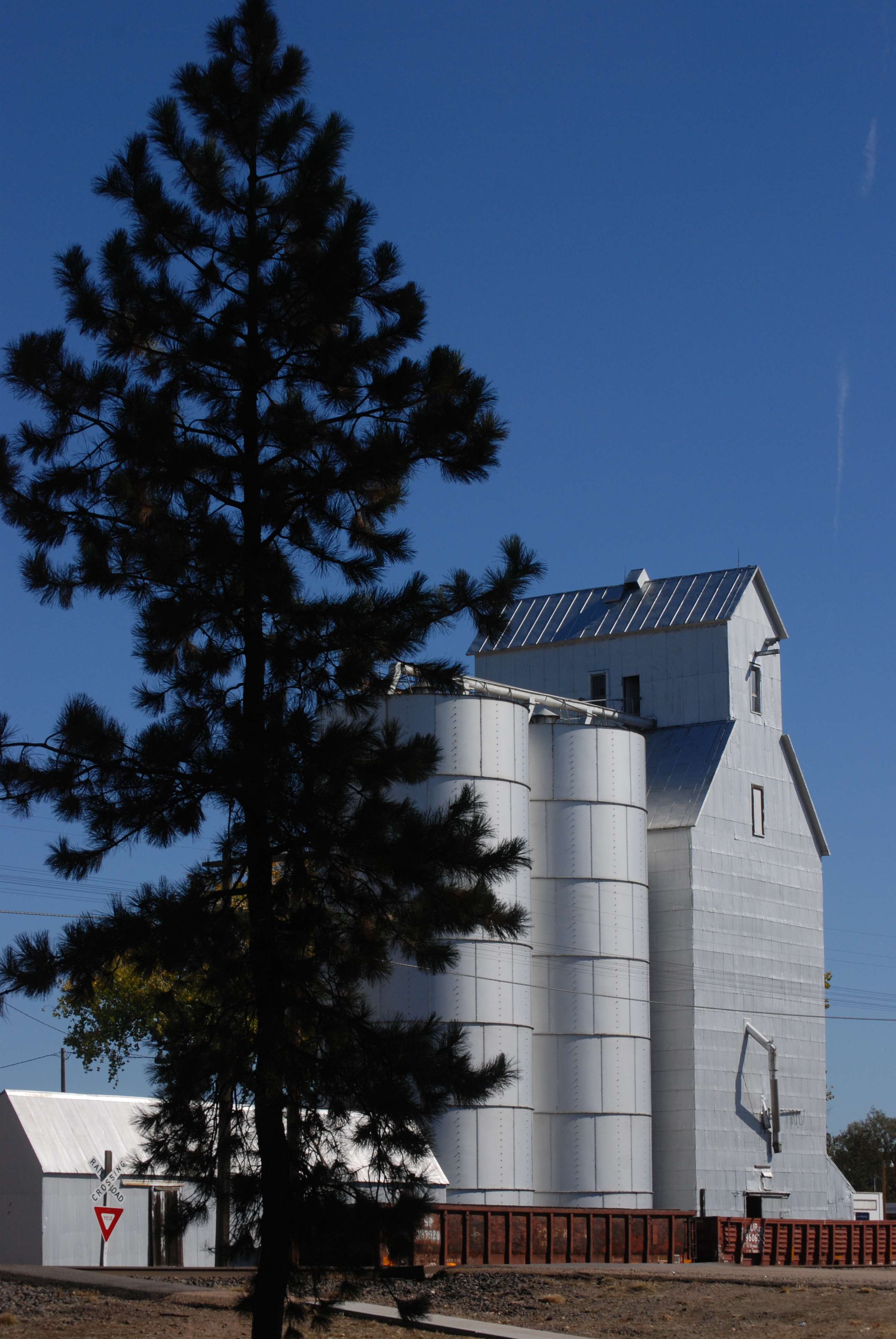
The J.H. Tillotson look-alike at Bradshaw, Neb.

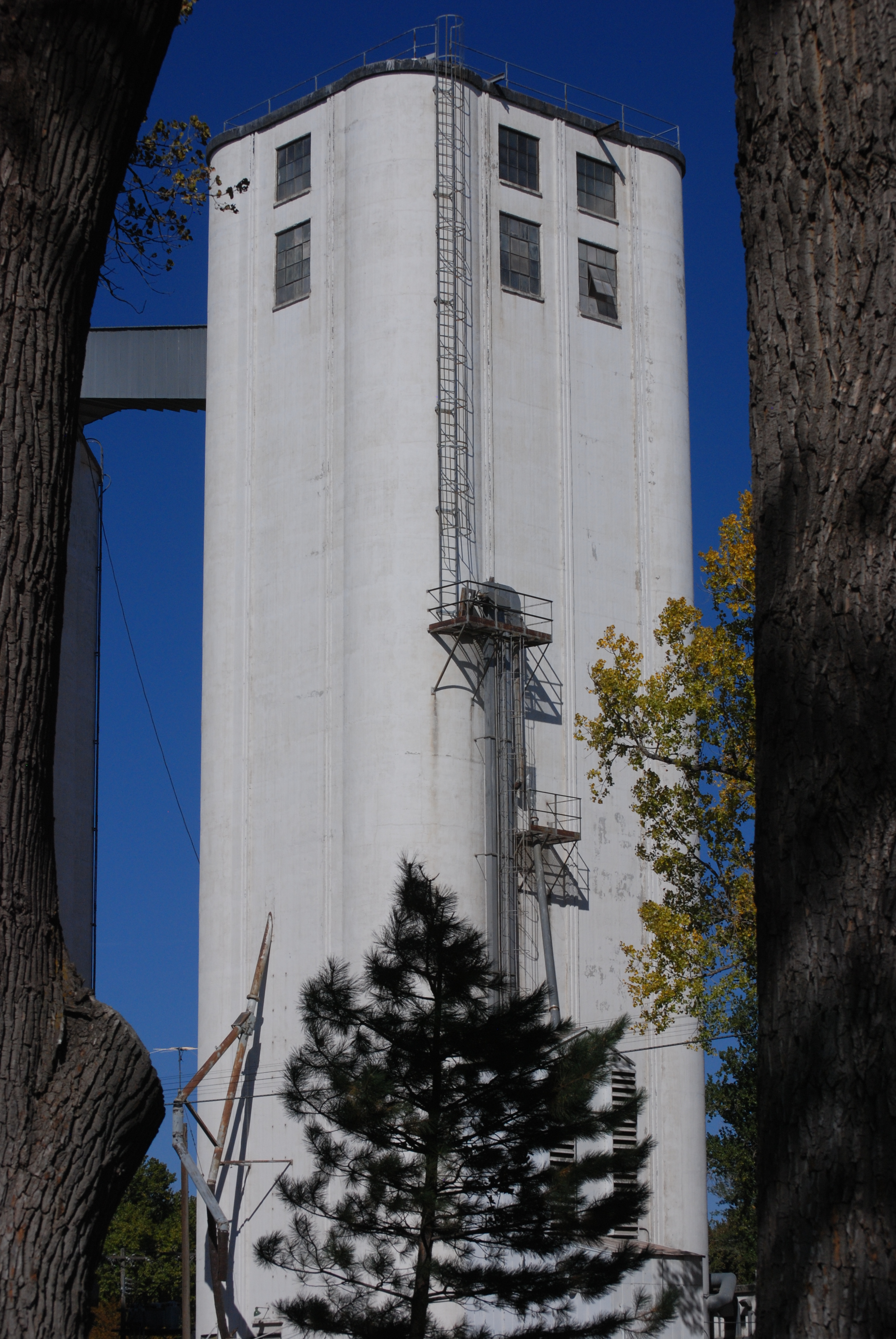
The Bradshaw, Neb., elevator remains an unsolved mystery. I visited the elevator early last year and photographed it from all sides. The style was a dead ringer for the elevators at Fairbury and Daykin, Neb., and Linn, Kan., all J. H. Tillotson, Contractor jobs. But since I had no access to the inside of the elevator, my tentative identification remained unverified.

Mr. Gordan, who lived across the street from the elevator, commented about the structure and its history, but his details were sparse. He said the elevator had a twin that no longer stood.

“It had problems with the headhouse,” he said.

And in another town he did not name, a similar elevator had been struck by lightning and burned.

Since the look-alike elevator in McAllaster, Kan. was demolished before we could resolve its provenance, and others also seem to have perished, it is clear that an unknown number of this type of elevator once existed. We hope to find the business records of Mayer-Osborn Construction and its predecessor, J. H. Tillotson, Contractor, to learn more about them.

The Bradshaw elevator bears an old FCA logo, but United Farmers Cooperative is apparently the current owner.

dsc_0081

New elevators

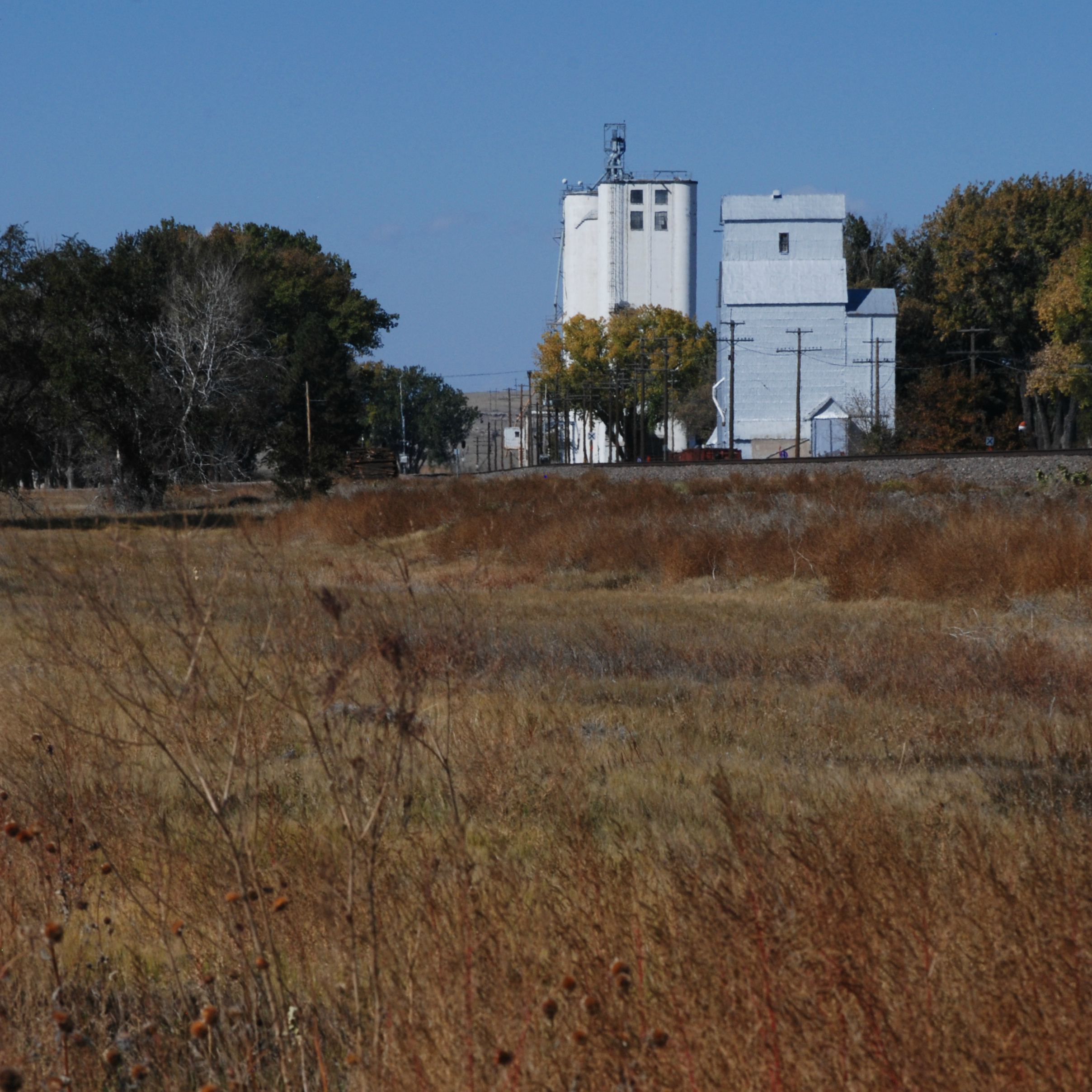
Mr. Gordan’s mother came out to greet me, but the meeting is a little vague in my memory, because I only made notes about it later. Both mother and son said the Bradshaw elevator was retired, but that the nearby gas station still operated, and the newer elevators a little down the rail line handled the grain.

I hope to visit again when the co-op is open, to learn more.

dsc_0090

Bradshaw, Nebraska

The town of Bradshaw is neat and clean, and displays a good amount of civic pride. Most notable is the broad main street–the expansive use of space has the look of a western town, rather than the neatly packed economy you see in the East. It inhabits a flat Nebraska landscape, nearly midway between Grand Island and Lincoln, with distant horizons and plenty of elbow room.

dsc_0015

Gas station

Bradshaw is well worth a return visit, preferably during harvest. Perhaps a local farmer can sit down for a cup of coffee and color in the details of this lovely Nebraska town.

A Mayer-Osborn superintendent’s budget, from the back of a notepad

Ed Christoffersen papers008Story by Kristen Cart

On a slip-formed concrete elevator job, the superintendent was not expected to be deskbound. So it wasn’t a complete surprise to find a pay account jotted down on the back of Edwin Christoffersen’s handy notepad. His letters home probably came out of this paper supply, assuming he had time to write them.

The Cordell, Okla., elevator was built in 1950, when Edwin  Christoffersen took charge of the job for Mayer-Osborn Construction.

Dick Osborn0001

Richard “Dick” Osborn

It is easy to forget that times were so dramatically different then.

We were entering a frightening time, with the Korean War looming. Edwin’s nephew, my dad’s brother Dick Osborn, was putting on a uniform to go fight, taking a break from building elevators for the company.

Our country was pulling out of a period of deep recession and unemployment. Air travel was a luxury, but in no sense was it the comfortable experience we have now. Airplanes were loud and flew through the ugly weather, instead of over it. In the book “Fate is the Hunter,” Ernest K. Gann recounted the very real perils of flight in those days. He made it seem all too real in his excellent book.

Ed’s notepad recalls a bit of aviation history. Deco style was modern then. In small print, it even says “Made in U.S.A.”

Ed Christoffersen papers009a

Ed’s accounting.

On the reverse of this nearly empty pad of stationery, which miraculously survived for over sixty years among Edwin’s papers, is what appears to be an account of a monthly budget. It seems pretty clear that Ed would have been paid decently. The “coolies,” as they were called, did the physical labor and made $1 an hour. My dad, Jerry Osborn, got that job for one summer, and he didn’t get any special favors, either. The term was not a racial one in those days–it described the work, mostly done by local farm boys.

Edwin added up a sum exceeding $40 per month–perhaps it was what he had left over, after paying the bills. He came up with $170. Was this tally a payroll for his workers? Or was it a budget for his personal use? Did it record expenses for the Cordell project? It is hard to say.

In 1950, you could drive a good used car off the lot for a few hundred dollars, though a new Cadillac would have been out of reach for most people at over $3000. Maybe Ed had money left over to go get rowdy after work. Or maybe he could buy a good shotgun for his favorite pastime, which was hunting.

dick with man0001

Dick Osborn and Edwin Christoffersen nab a coyote.

I wish to thank Diane Osborn Bell for the pictures of her father, Richard “Dick” Osborn. Ed Christoffersen also kindly shared some of his dad’s personal papers, for which I am grateful.

It’s a truly illuminating way to look at man’s life and his work.

Blue skies at Lodgepole, Nebraska, and a perfect photo opportunity

dsc_0226

The J. H. Tillotson concrete elevator, built in 1948, and operated by Frenchman Valley Coop

Story and photos by Kristen Cart

On the way home from our Wyoming hunt last fall, we drove through Lodgepole, Neb. one more time. Gorgeous weather quelled the protests from the truck’s back seat, and with windows open, everyone settled down with books and gadgets while Mom (that would be me) got out with her camera.

I hope you enjoy some of the results as much as I did. This elevator, built by J. H. Tillotson, Contractor, in 1948, still stands proudly along old Lincoln Hwy. 30, in a town that is still a tourist destination. No one seemed curious about a lady with a camera–seems like it’s not so unusual around here.

dsc_0256

A track-side view of both elevators in Lodgepole, Neb.

The wooden elevator in the town is still in use, less than half a mile down the rail line. It appears to be in spiffy condition and ready for business. The town obviously takes pride in its agriculture and its heritage.

Happily, the history of the town intersects with the history of my grandfather, builder William Osborn, and our family. It has become a destination for us and a beautiful stop alongside the road.

Even the kids grudgingly admit it isn’t too bad, for an elevator.

dsc_0252

The wooden elevator with metal siding, flanked by metal bins

A look at grain operations at the J. H. Tillotson elevator in Lodgepole, Nebraska

dsc_0448

A Union Pacific train rolls by the elevators in Lodgepole, Neb.

Story and photos by Kristen Cart

A beautiful elevator can be truly inspiring. My first visit to Lodgepole, Neb., was on a hazy October day, on the way to Wyoming, where we hunt elk. The misty skies did not show the elevator to its greatest advantage, so the best photography had to wait for a later visit. But this time I had the chance to visit the office and learn more about the elevator and the town.

dsc_0372

Melvin Paulsen inside the elevator driveway during corn transfer.

Melvin Paulsen, a two-year employee of the Frenchman Valley Coop, hailing from Julesburg, Colo., kindly showed me inside the main elevator. The interior lacked the embossed manhole covers that would reveal the builder, J. H. Tillotson, Contractor, but we knew the origins of this elevator from the recollections of my father Jerry Osborn.

The Denver-based builder had lost its owner, Joe Tillotson, and superintendent, Bill Morris, in separate traffic accidents during construction at Lodgepole. The mishaps ended a successful run of elevator projects. My grandfather, William Osborn, soon picked up the pieces and started his own company, Mayer-Osborn Construction Company, also based in Denver.

Melvin explained that the elevator was in the process of shifting grain from a main bin to the annex. The grain dryer attached to the elevator was no longer operational, so only grain that was sufficiently dry (with 18 percent or less original moisture content) could be accepted for storage. Grain that was on the moist end of the acceptable range had to go to the annex, which had ventilation fans, to prevent damage from overheating.

A fair pile of dust could accumulate during the grain transfer, so the elevator driveway was kept open to help blow it out. A shovel leaned nearby to take care of the remainder. Dust had to be cleared out completely to prevent an explosive hazard.

One of the newer bins was home to an emergency response relay for radio communications between dispatch and fire and emergency responders.

Elevator photos006Inside the Frenchman Valley Coop office was an old aerial photo of the elevator and one that was taken during its construction. Melvin kindly furnished me with an extra copy of the aerial shot. The elevator looked very much like its J. H. Tillotson brethren.

Lodgepole celebrates Old Settlers’ Days each year. The park alongside the railroad tracks fills with horses and buggies, tractors, vendors, and all manner of activities. A parade winds along the streets. The scene recalls a time when a farmer would drive his wagon up to the old wooden elevator on the rail line, and dump his grain in the pit, hoping for higher prices.

The town also attracts visitors when the old Union Pacific steam engine, UP844, stops on a regular scheduled visit.

Lodgepole’s elevator was a milestone in my grandfather’s building career. It remains one of the most attractive elevators in Nebraska.

Successful concrete tests yielded an enduring elevator at Cordell, Oklahoma

Cordell concrete tests002

Story by Kristen Cart

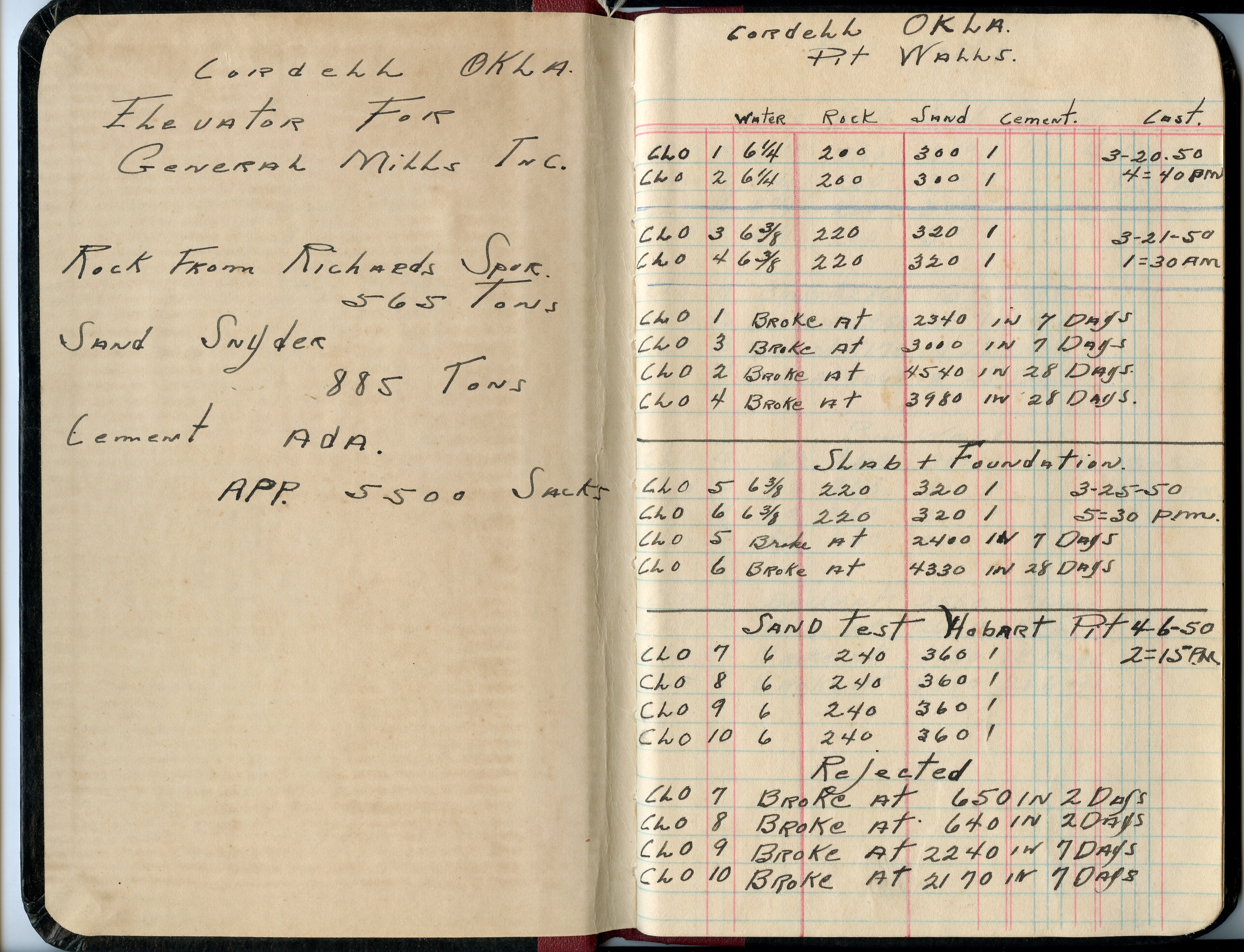
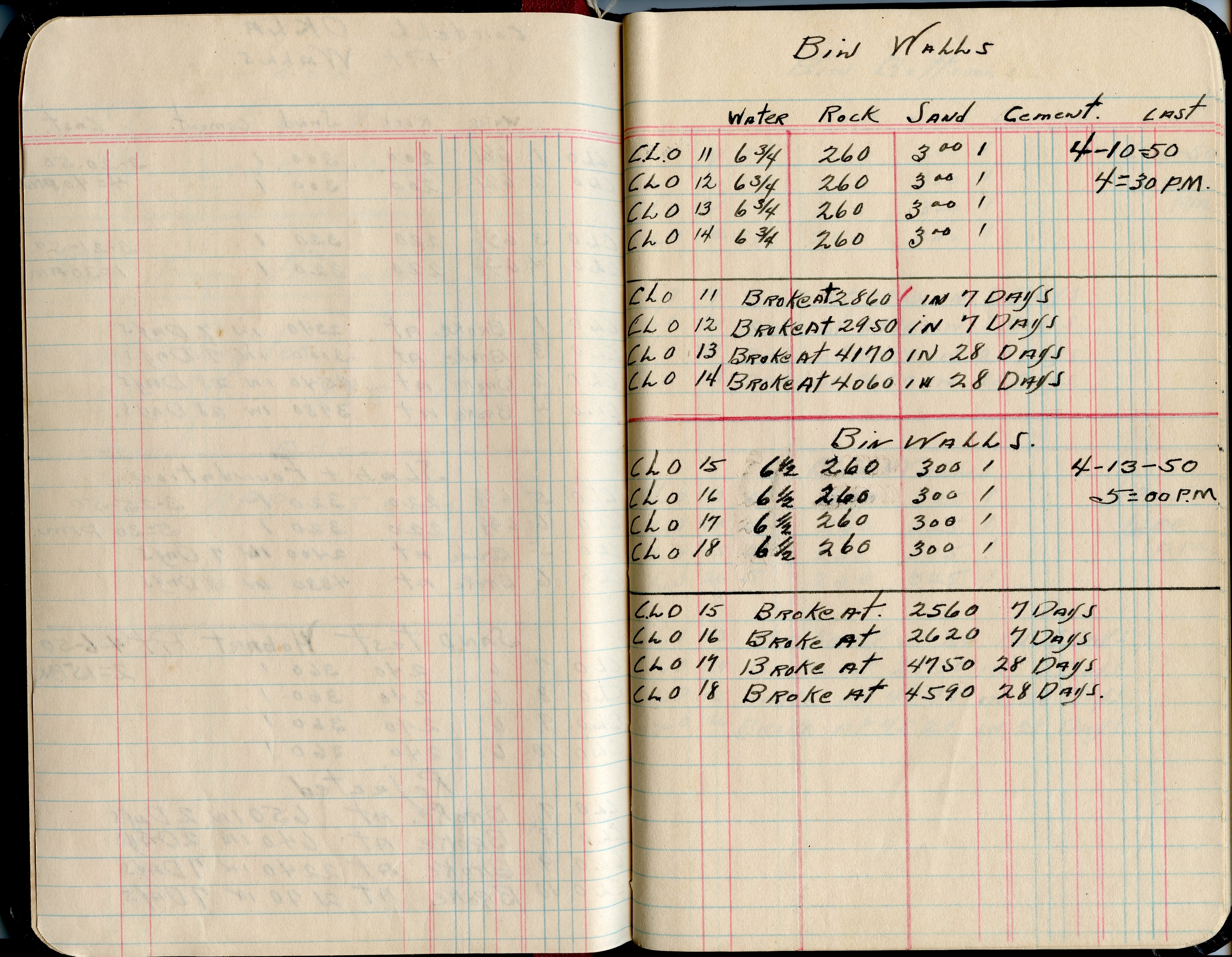
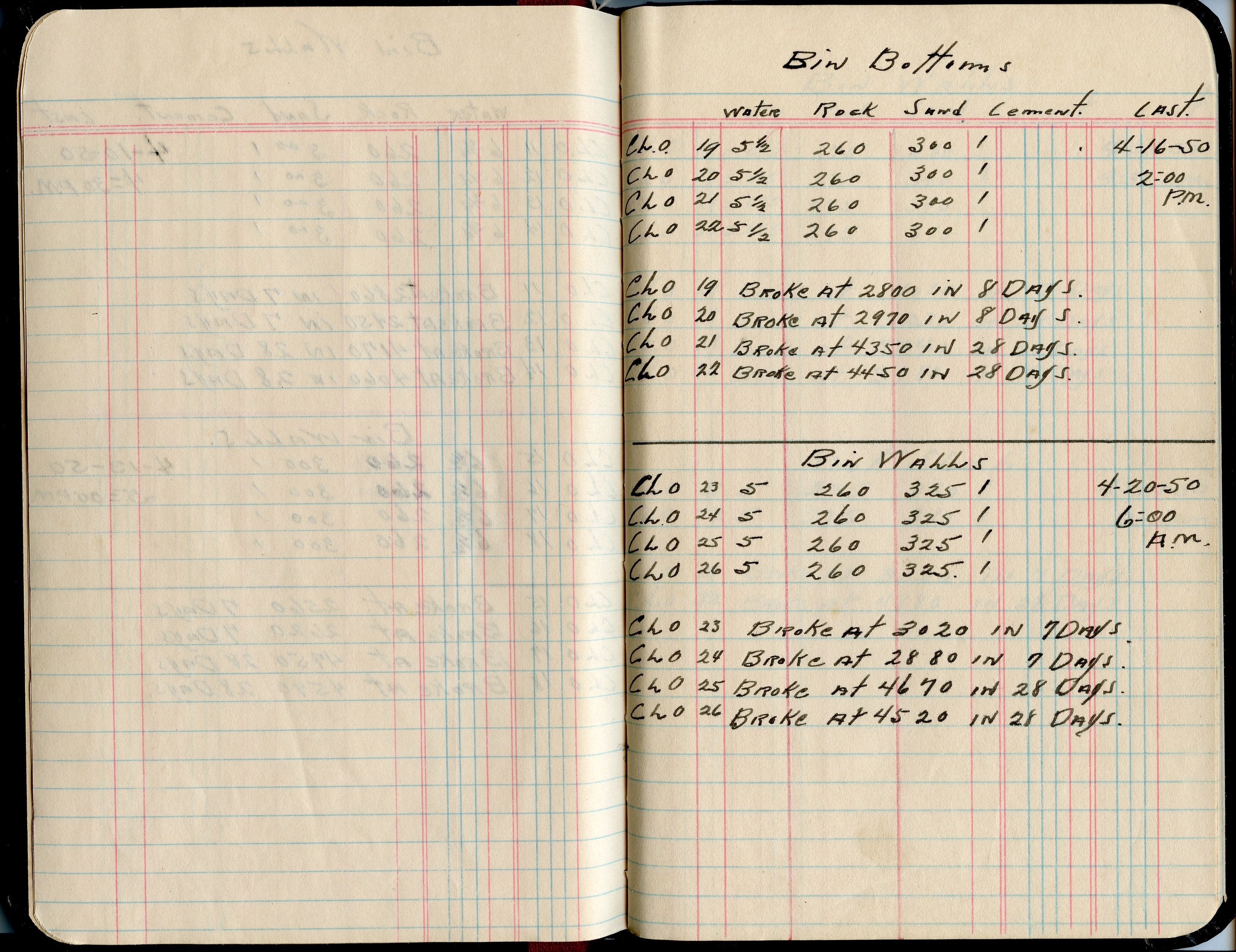
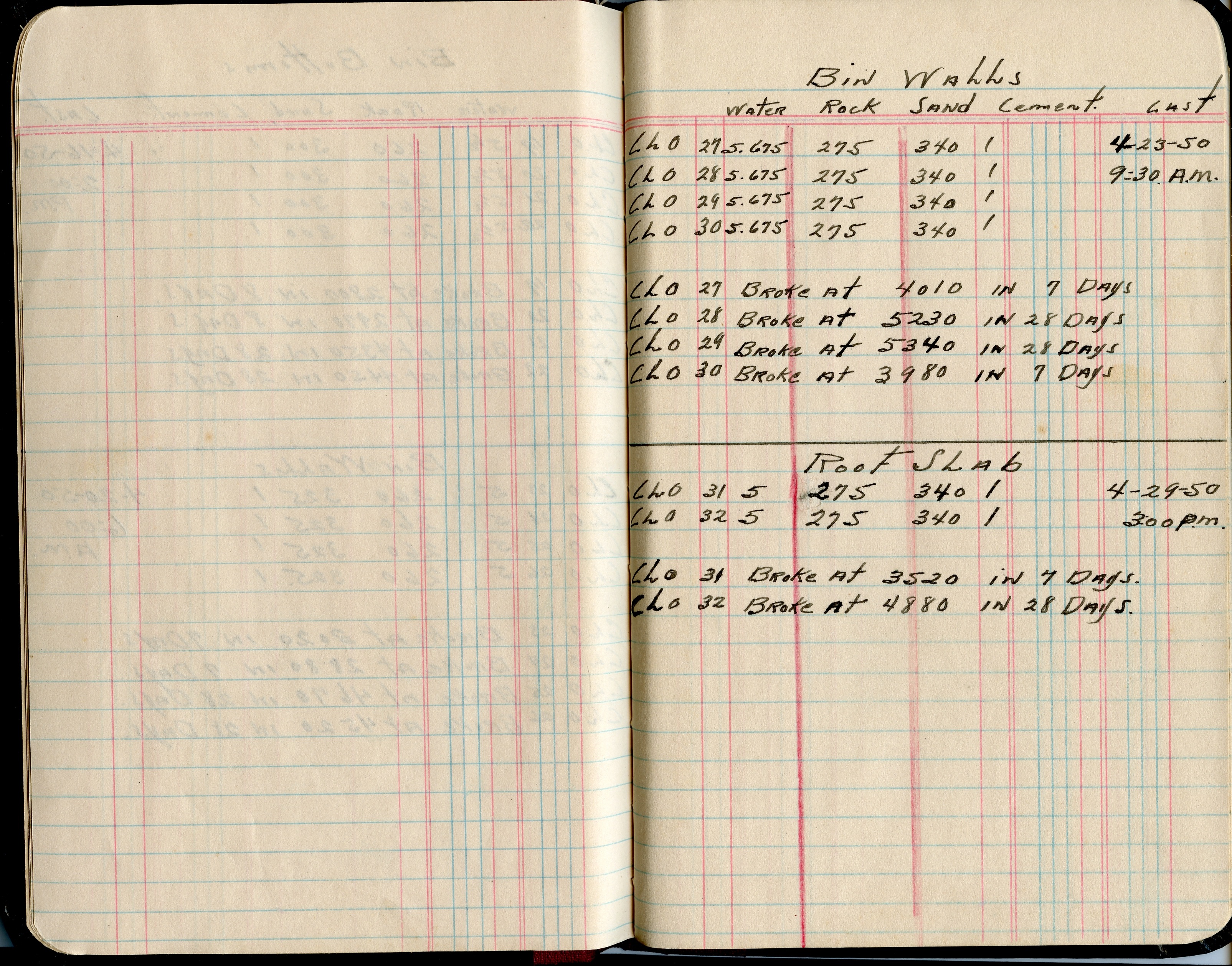
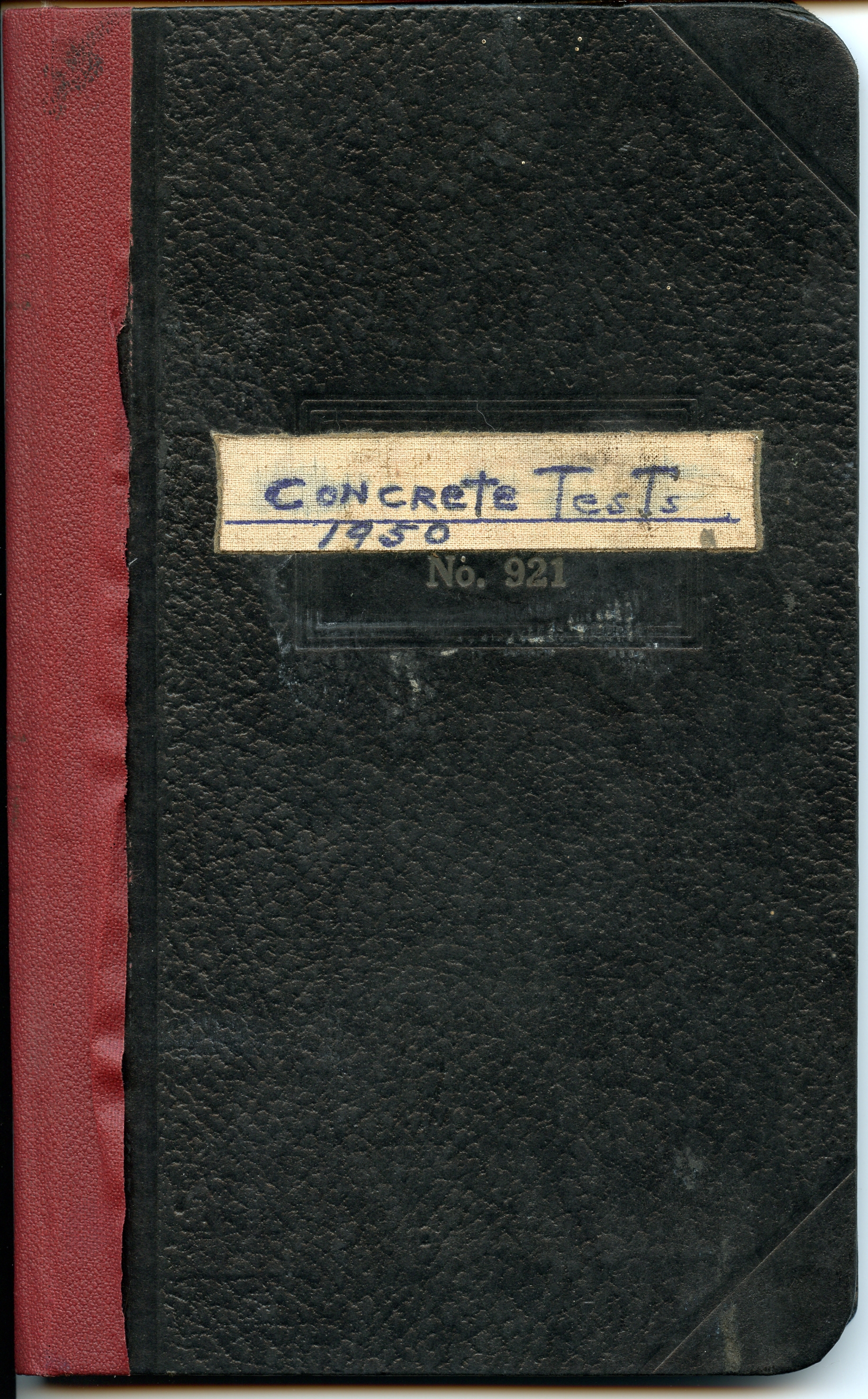
During a recent visit to Nebraska, Dad and I met with the son of Edwin Louis Christoffersen to go through family pictures. Young Ed produced a treasure from among his father’s personal effects. Edwin Christoffersen was superintendent for the Mayer-Osborn Construction job at Cordell Okla., and among his duties was the engineering of a safe and durable elevator. Testing the concrete from a given supplier was of paramount importance.

This logbook shows the results of the testing for each part of the elevator’s structure. It is a fascinating bit of engineering history, and it speaks for itself.

Cordell concrete tests003

Cordell concrete tests004

Cordell concrete tests005

Cordell concrete tests006You will notice that the date and time of day was included in the calculations for each test. This is how we were able to determine when the Cordell elevator was built.

While a number of factors were recorded for each test, it is not clear to us what each term meant. Perhaps some of our readers can explain the process to us.

It is a true privilege to see some of the engineering practices in use during the 1950s, at a time when slide rules did the work of computers, yielding sufficient precision to send our astronauts to the moon in the following decade.

These builders, engineers, and innovators were pioneers, working at the pinnacle of their profession. We wish to thank Ed Christoffersen for sharing this priceless piece of history.

Newspaper clippings of the Lincoln, Nebraska, elevator show standard construction methods

Story by Kristen Cart

christofferson042

Omaha World-Herald

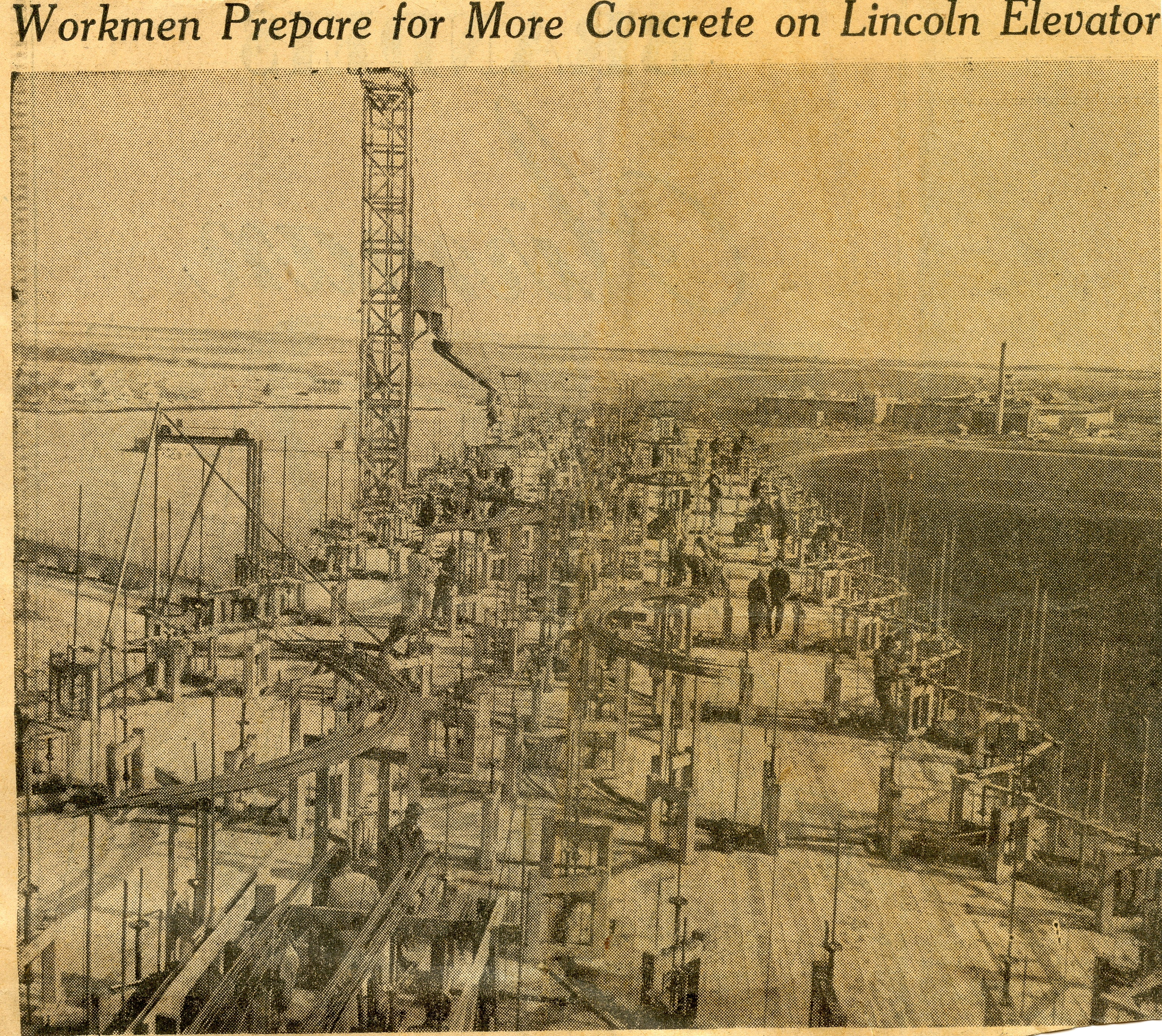
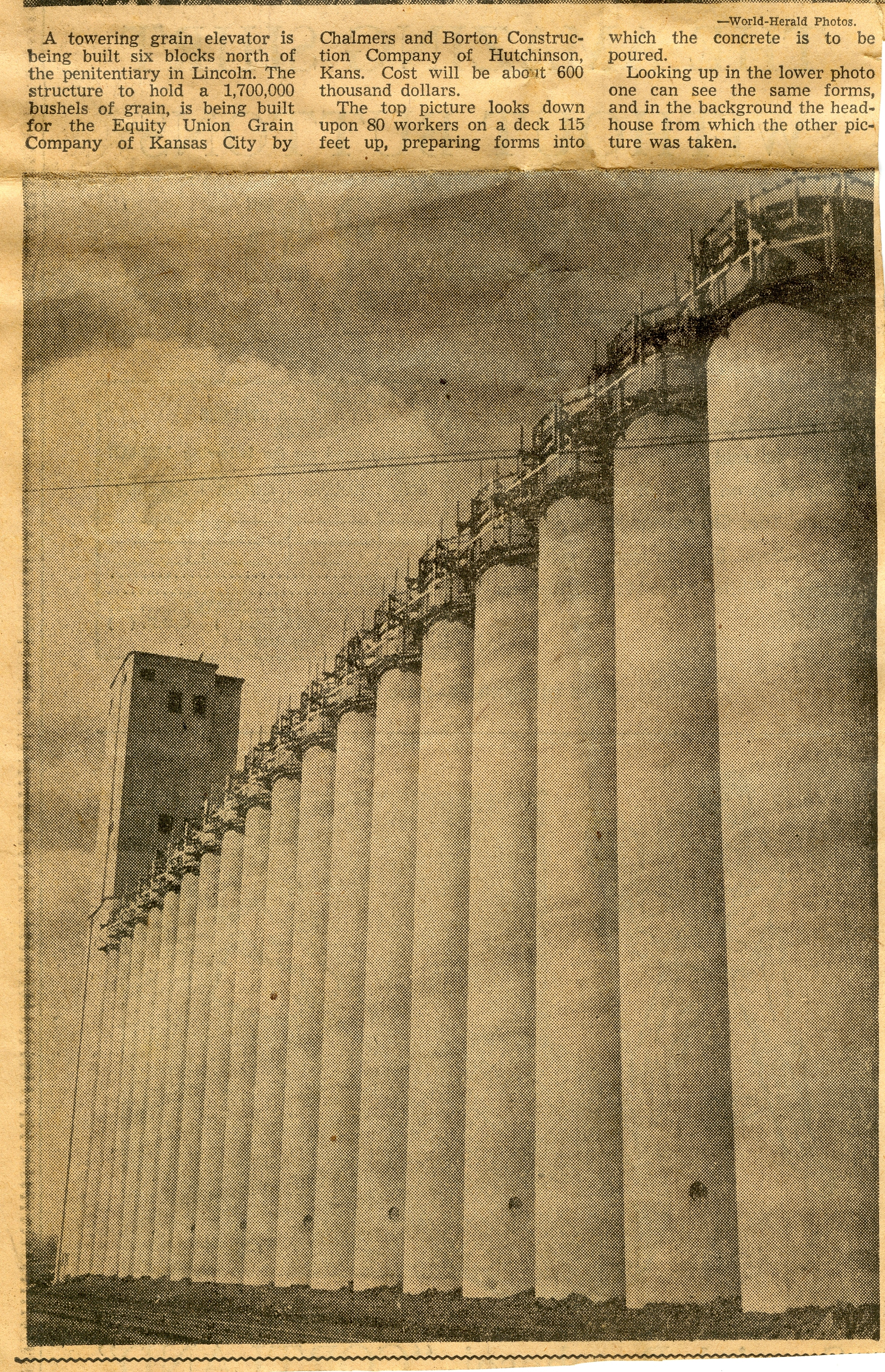
Among Edwin Christoffersen’s papers were clippings from the Lincoln, Neb., elevator construction site. While this was a Chalmers & Borton project, the clippings showed an impressively large elevator in the last stages of construction.

The story of a competitor’s biggest local project would have been of great interest to Ed, a superintendent for the Mayer-Osborn Construction Company. There is little doubt that Mayer-Osborn would have tried to get this contract. However, Chalmers & Borton frequently built the largest elevators.

It appears that the continuous pour was nearly complete for the huge structure, and that the planks were installed either for decking for the crews, or for the final pour which would cover each bin with a concrete cap. Once the concrete cured, final “wrecking out” would remove the forms.

christofferson043

Omaha World-Herald

The headhouse was already in place, so the elevator was very close to completion. What cannot be seen is whether equipment that would come from subcontractors for installation in the headhouse and pit had yet arrived, and of course the run that would top the elevator and provide for grain distribution was yet to be finished.

The images provide a rare glimpse of the process, one that Edwin Christoffersen saw fit to preserve, much to our delight. This is a breathtaking view of a moment in time when America built with intrepidity and confidence, and left us with a towering legacy in the Plains.

Mike Tillotson remembers Flagler (1953), Albert City (1954), and Lincoln (1955)

By Mike Tillotson

I don’t have access to a computer nor know how to use one. I barely get a radio signal, and my tin-can barb-wire phone is not always clear here in the hills either.

As for the elevators I was thirteen on my first summer with my brothers. I just graduated from Grade School. Our Father helped his Father build Wood Elevators, and often was told to put out that cigarette.

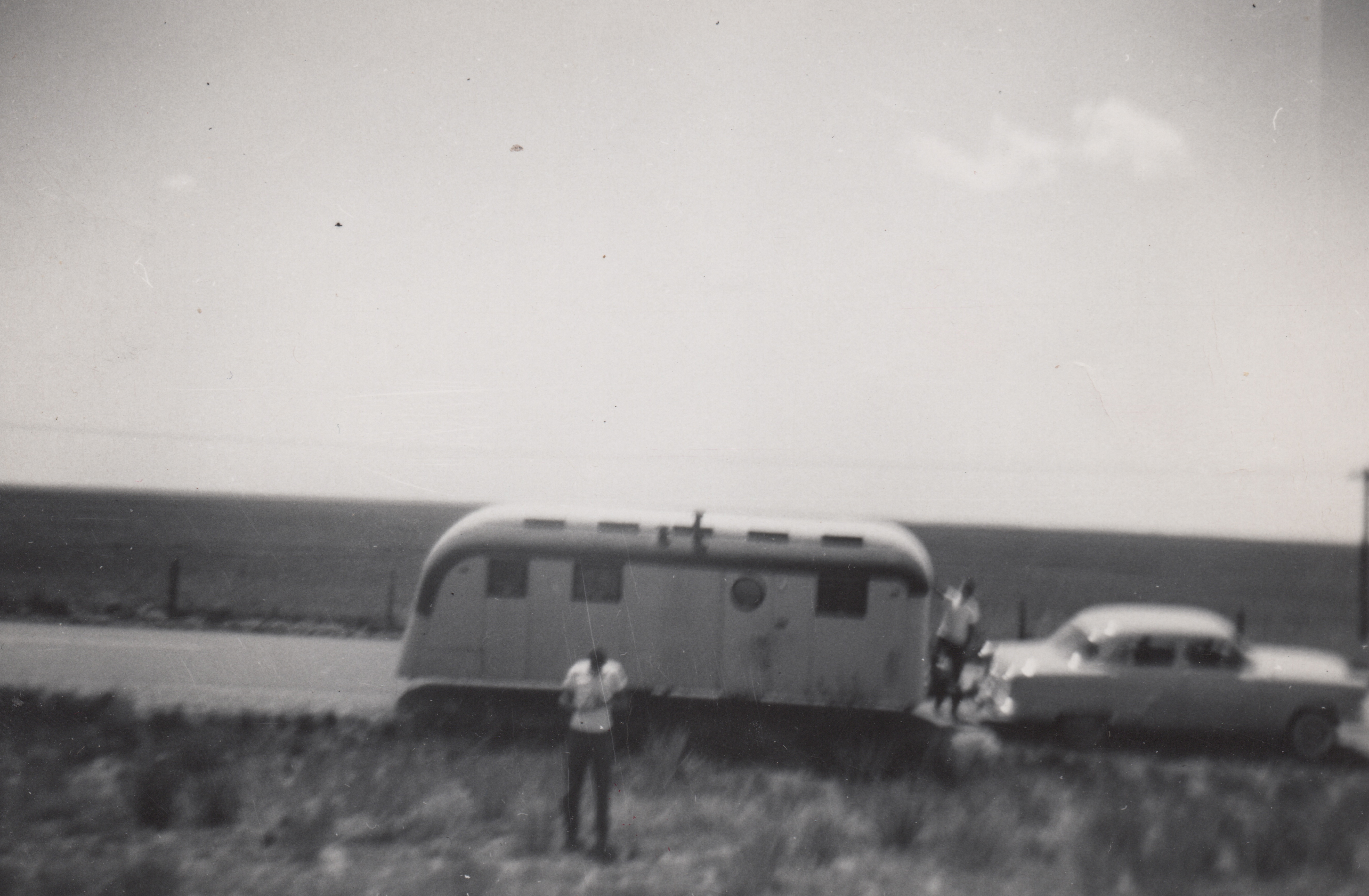
Mike stands at the center of the frame while Tim captures Charles just after he has taken a rest break on the way to Flagler.

Mike stands center-frame while Tim Tillotson captures Charles after a rest break en route to Flagler with the ’53 Ford and mystery trailer.

We headed for Flagler, Colorado; seventy five miles East of Denver. Charles was driving a 53 Ford 4-door our Father bought for him. Two-tone tan that Charles had nosed, and added fender skirts, and a continental kit. We were pulling a sixteen foot trailer that we lived in for the summer.

We were paid $1.00/Hr.–60 Hrs./Week with time and one half over 40 hours. I was the time keeper, and drove a tractor with a front-end loader. I filled up the three-bag concrete mixer with sand. Someone else put the cement and limestone in the hopper. We mixed our own concrete because we were in the middle of no-where.

I remember the Super catching me putting pennies on the rail track, and helping me with the time-sheet so I could go to Denver with my brothers for the week-end.

Tillotson Home

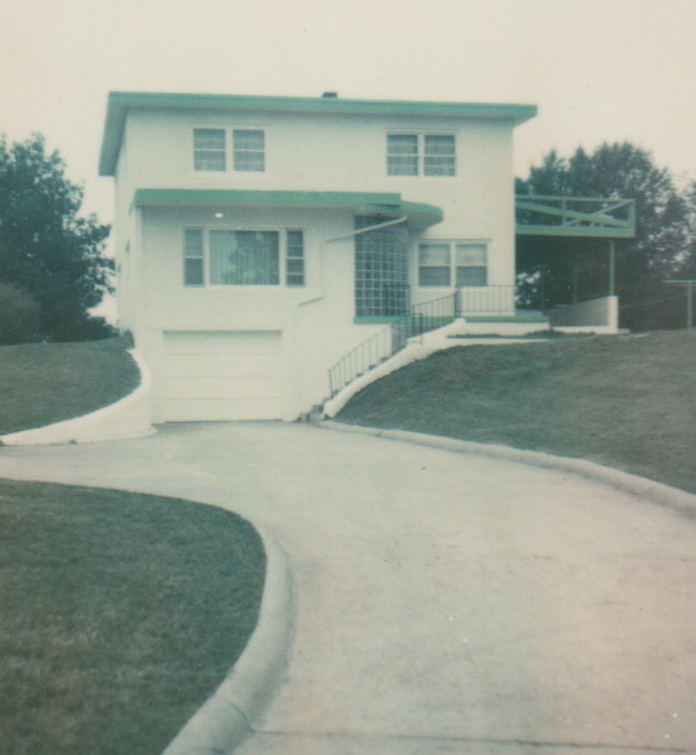
The Tillotson home in the Ponca Hills north of Omaha. Mike still lives there. 

I remember Charles had a girl-friend, and when we came back to Omaha in September; she came in to visit him. When Charles went to meet her at the place she was staying; Sharon went with him. When Charles and Sharon met her she said she forgot something in her room, and went back to get it. After waiting about one half hour Charles sent the door man to the room. He returned and said the room was empty, and the window was open.

You have to remember this was 1953 when we were at the age of innocence, and life was pure and simple.

The following summer (1954) we went to Albert City, Iowa, 75 miles North of Council Bluffs. We rented rooms in a private home. We worked with a 20 something guy that ran the winch pulley bucket to the top of the elevator as it progressed, and brought building materials down. We also rode the bucket up and down to get on deck. The elevator bens were 125 feet to the top with a Head-House of 75 on top of that.

The winch guy went to work on another elevator the Company had going in a town about 30 miles away. This was an addition to an existing elevator–an add-on.

At noon one day he went to the top with new boots on. There were four or five planks at the top from old to new grain bens.

No hand rails or anything. They were not required at the time. I doubt OSHA even existed. He either fell or jumped going from old to new.

Some said he might have tripped with the new boots.

Charles and I bought a nice 40 Ford sedan for $75.00 off a used car lot. He didn’t want to use the 53 any more than necessary. Coming back to Omaha one week end we were zipping down a country road with corn as high-as-a-sky and started through an intersection with no stop signs.

It could be Mike waving at the photographer in this photo from atop the Flagler annex. The Ford and 16-foot trailer are also evident.

It could be Mike waving at the photographer, who is perched atop the Flagler elevator, built in 1950. The foundation for the new annex is seen at lower left.

We got broad-sided by some farmer who put us in a ditch; up side down. Later in the day when we crossed the Mormon Bridge in North Omaha; one of us reached through the front of the car to pay the Toll. The windshield was gone.

The next summer (1955) I worked in Lincoln, Nebr. by myself. My sister Mary’s future brother-in-law Merle worked on the job also.

The Elevators at that time required about 12-15 men per shift. Two shifts per day–twenty four hour continuous pour. Usually about 18-20 days to get to the top of the tanks. The jacks that raised the forms were all manually operated. Today with the advanced electrical operated jacks the number of men required is probably half.

That is the story of my teenage years in MAYBERRY.

The Cordell, Oklahoma elevator project fused engineering prowess with family ties

Story by Kristen Cart

christofferson041

Edwin Christoffersen was the superintendent on the Mayer-Osborn Construction project in Cordell, Okla. in 1950. His son and namesake kindly provided a notebook that gave a glimpse of the concrete engineering that went into the elevator. By trial and error, the company learned best practices, creating an enduring structure which would still operate more than sixty years later.

Edwin Louis Christofferson was the son of Jens “James” Lauritz Christoffersen, a first generation American who farmed and operated a farm stand in Fremont, Neb. Edwin was one of nine children. Ed’s sister Alice married William Osborn in 1923.

When the Mayer-Osborn enterprise was in full swing, Bill Osborn tapped relatives to manage projects or to provide manual labor. He followed a common practice.

Sons Dick and Jerry Osborn worked at various times building elevators. Bill Osborn entered partnership with Eugene Mayer, the brother of Joseph H. Tillotson’s wife Sylvia. At the Tillotson Construction Company of Omaha, Bill Osborn worked with Iver Salroth, husband of Emma, a Christoffersen cousin.

Naturally, when the opportunity arose, Ed Christoffersen found employment with his brother-in-law’s company an attractive proposition.

christofferson019(1)

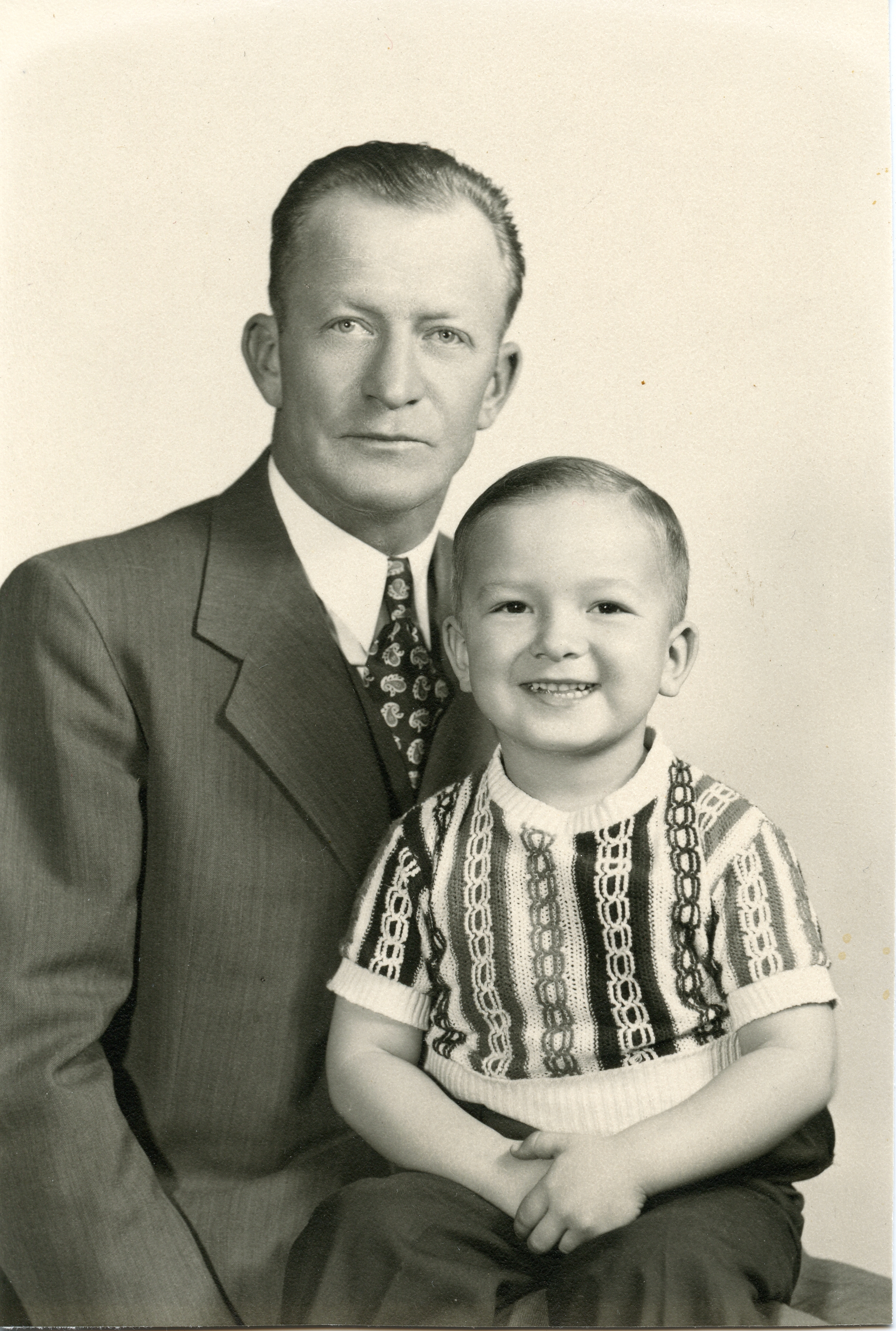
Edwin Louis Christoffersen with his only child.

Ed’s son has kept a number of Mayer-Osborn keepsakes, in memory of his dad, who died when he was still quite young. One intriguing item was the logbook that Ed kept for the Cordell, Okla. elevator, recording concrete tests.

Various sand, gravel, and concrete mixtures were tested to a failure point to determine the ideal formula for a given project. The date and time of day was recorded for each test. In this journal, we discovered the year of construction for the Cordell elevator.

The elevator business brought families together to accomplish a common goal, and now, many years later, writing about the elevators brings the builders and their sons and daughters together again. The memories are kept in small personal repositories of clippings, photos and documents, and in tales of the job, and are captured fleetingly before the witnesses leave us.

Looking up at these great landmarks, we also look up to the patriarchs who built them, with respect, and awe.

Go West, young men, to Flagler, Colorado, and build a grain elevator!

Scan 1

What could help the three teenaged sons of Reginald and Margaret Tillotson sons to grow up? Nothing better than going from Omaha, Neb., where Tillotson Construction Company was located, to Flagler, Colo., to build the annex to a grain elevator in 1953.

Charles, 18, Tim, 16, and Mike, 13, drove across the Great Plains in a new Ford, towing the trailer that would serve as their home and the job office.

Having started for the company as an assistant carpenter when he was 12, Charles was already quite skilled in elevator construction techniques.

But how did they fare for themselves? For instance, what did they eat during their weeks on the job?

“Regarding what we ate, I really don’t remember but it was probably beans and wieners,” Charles recalls. “We also ate at the local cafe in Flagler. That was when Tim and I weren’t screaming over to Elitches Park Outdoor pavilion in Denver (some 120 miles to the west) to squeeze in a night of dancing and return at daybreak to assume our work shift–no sleep of course. I think we left Mike alone in Flagler to fend for himself.

Mike spent many hours in the trailer, serving as timekeeper and reading hot rod magazines when he could.

Building a mighty elevator required specialized carpentry and subtle touches

Scan


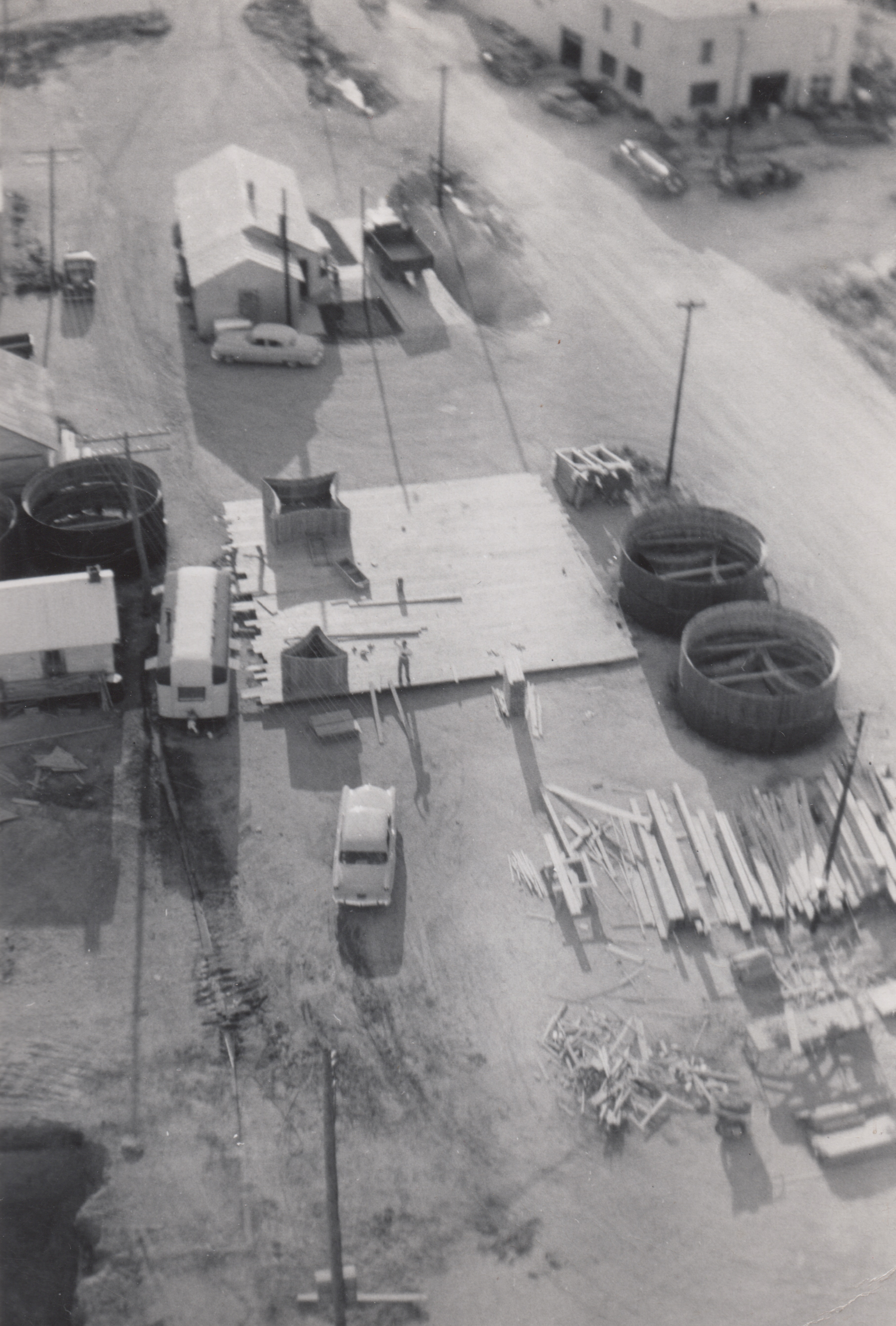
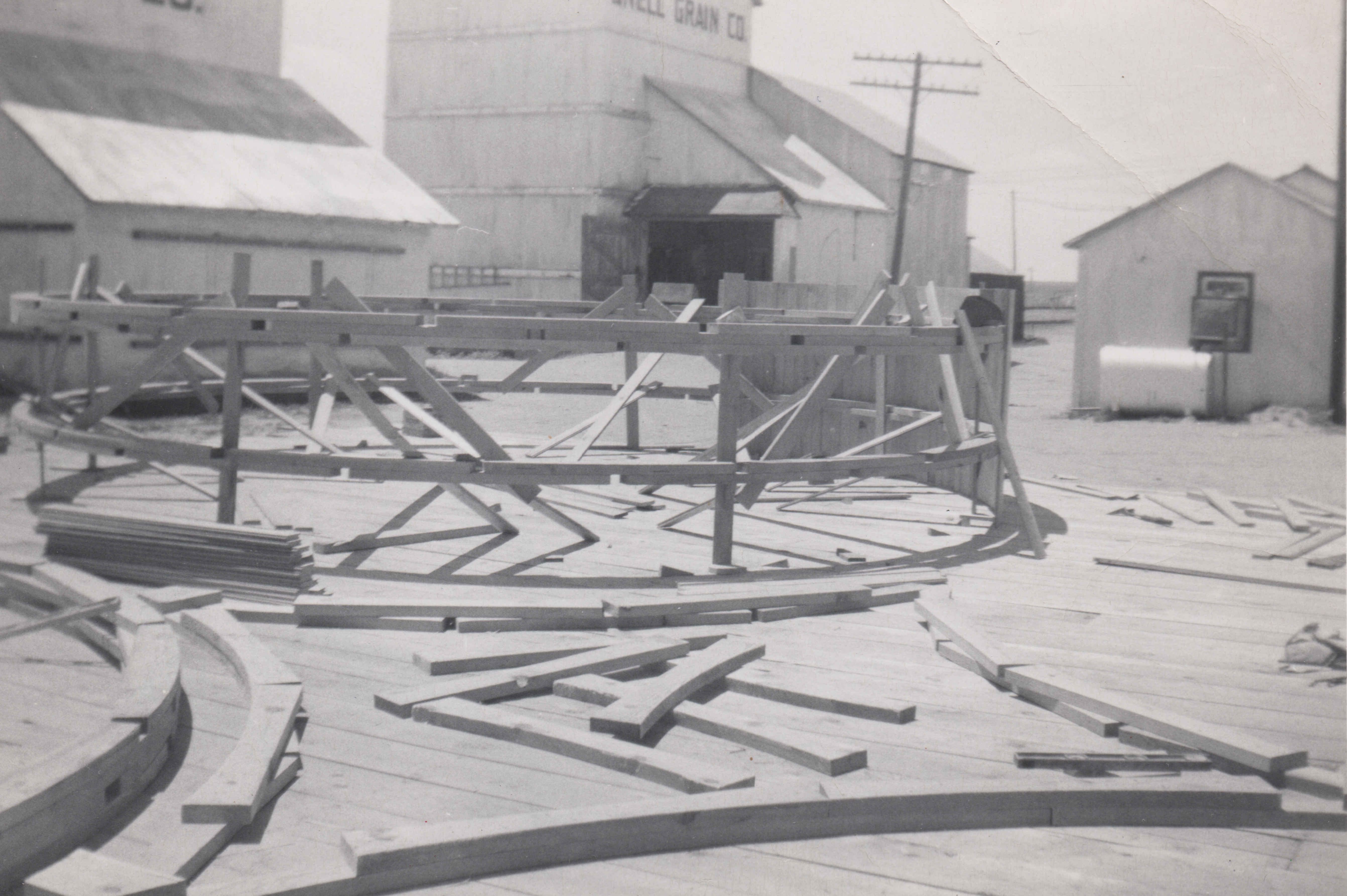
Editor’s note: Here, Charles J. Tillotson offers additional explanation about the formwork at the start of the Flagler, Colo., annex, seen in this 1953 photo from Tillotson Construction Company archives. 

All new lumber was used, the amount of which I couldn’t give any idea but it was a few truckloads at minimum.

The curved lumber was done by hand, either with a table saw or a Skilsaw or both. The notches, of course–for example at the jack yoke locations–were again cut in the field.

Mucho carpentry work, the length of which depended on the number of carpenters that could be scrounged up.

Also, the superintendent of the job was usually out of the carpentry world and could pitch in as needed during form construction.

And there remains one more point to make about the photo from a previous post, “Taking it from the top at Tillotson Construction’s annex in Flagler, Colo.” (use the link that’s included below or click on the photo to see an enlarged version). 

ScanThe dark shadow around the circular bin forms is the residue from “washing down the side.” (This is the side where the cement will be poured.)

The formwork was coated with used motor oil or some other type of lubrication.

Doing so made the formboards moisture resistant and let them more easily slip upward with less friction.


Related articles