As wooden elevators disappear, documentation becomes difficult

Story and photos by Kristen Cart

As we research an earlier generation of elevator construction, we can find wooden elevators, but not the ones we hope to find. It is almost impossible to match a builder to a specific elevator this late in the game, especially among the few surviving examples. But we are trying.

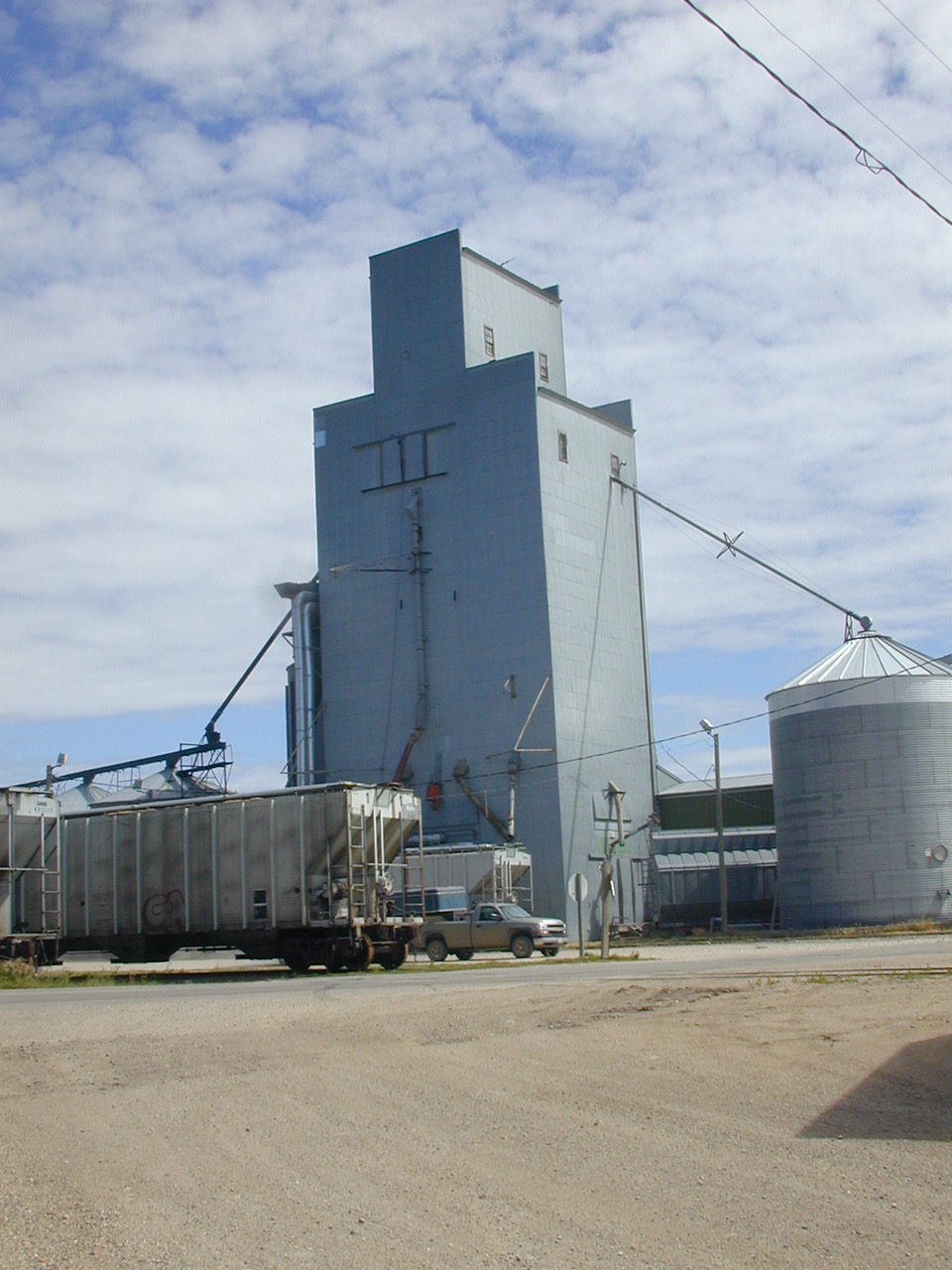
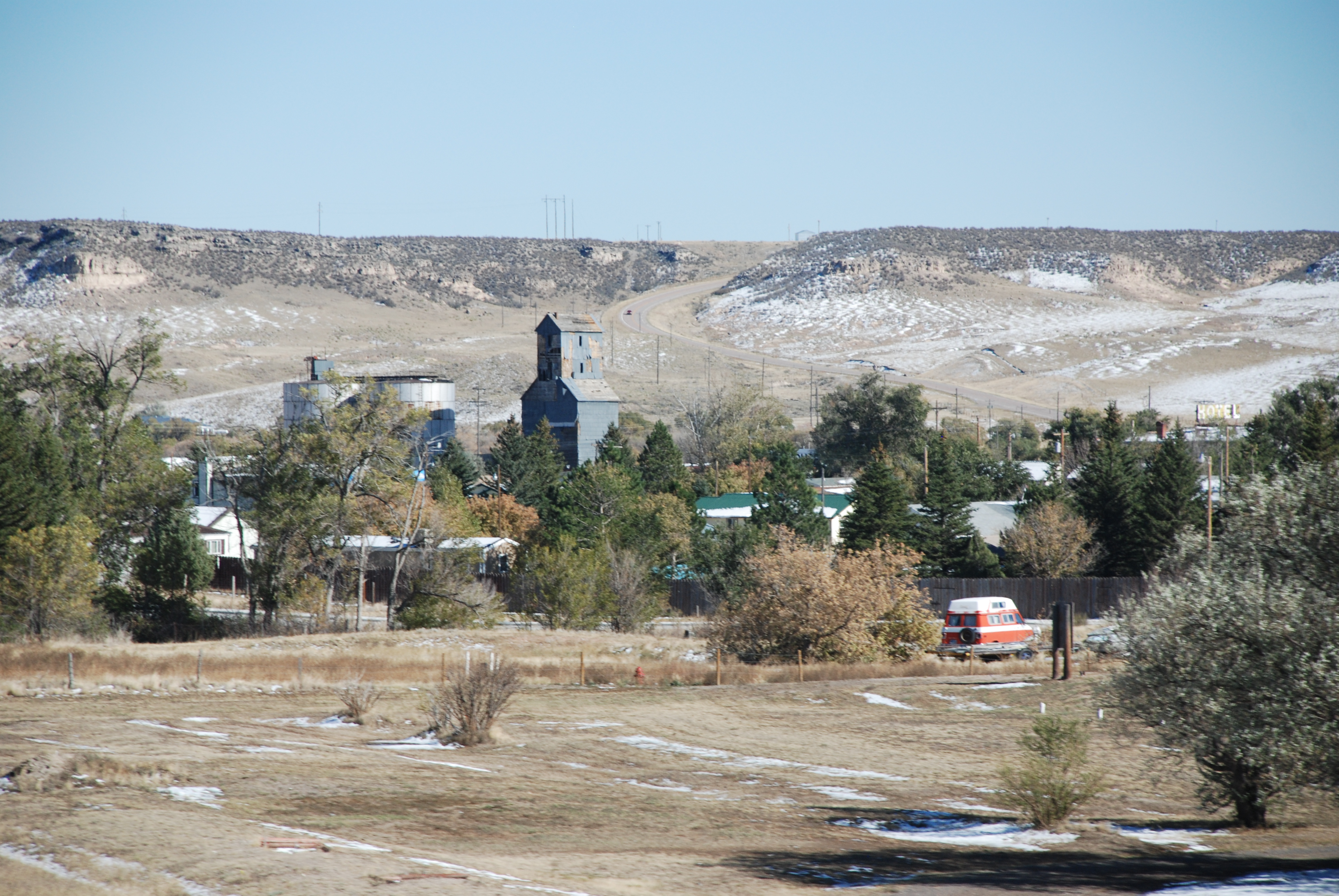
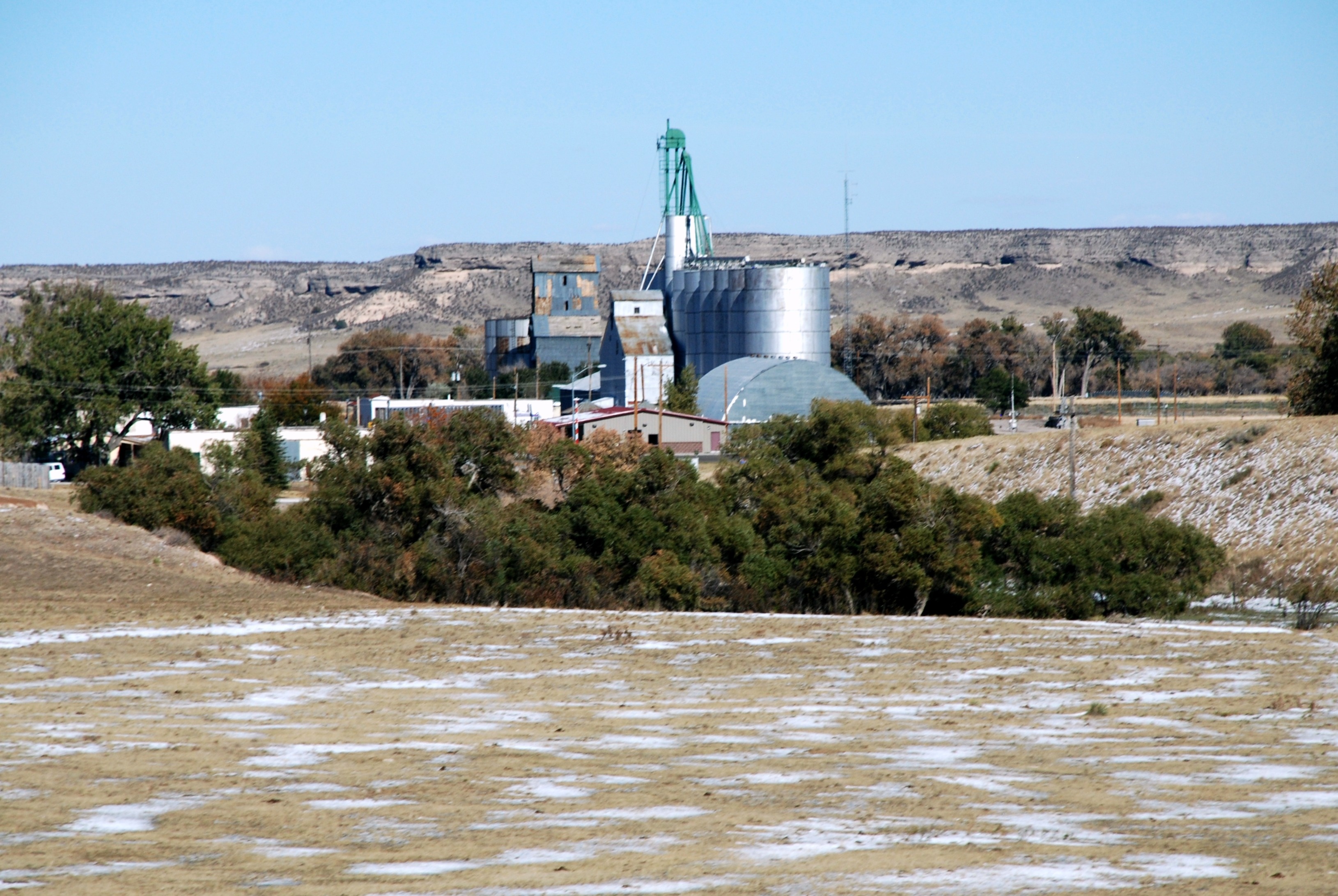
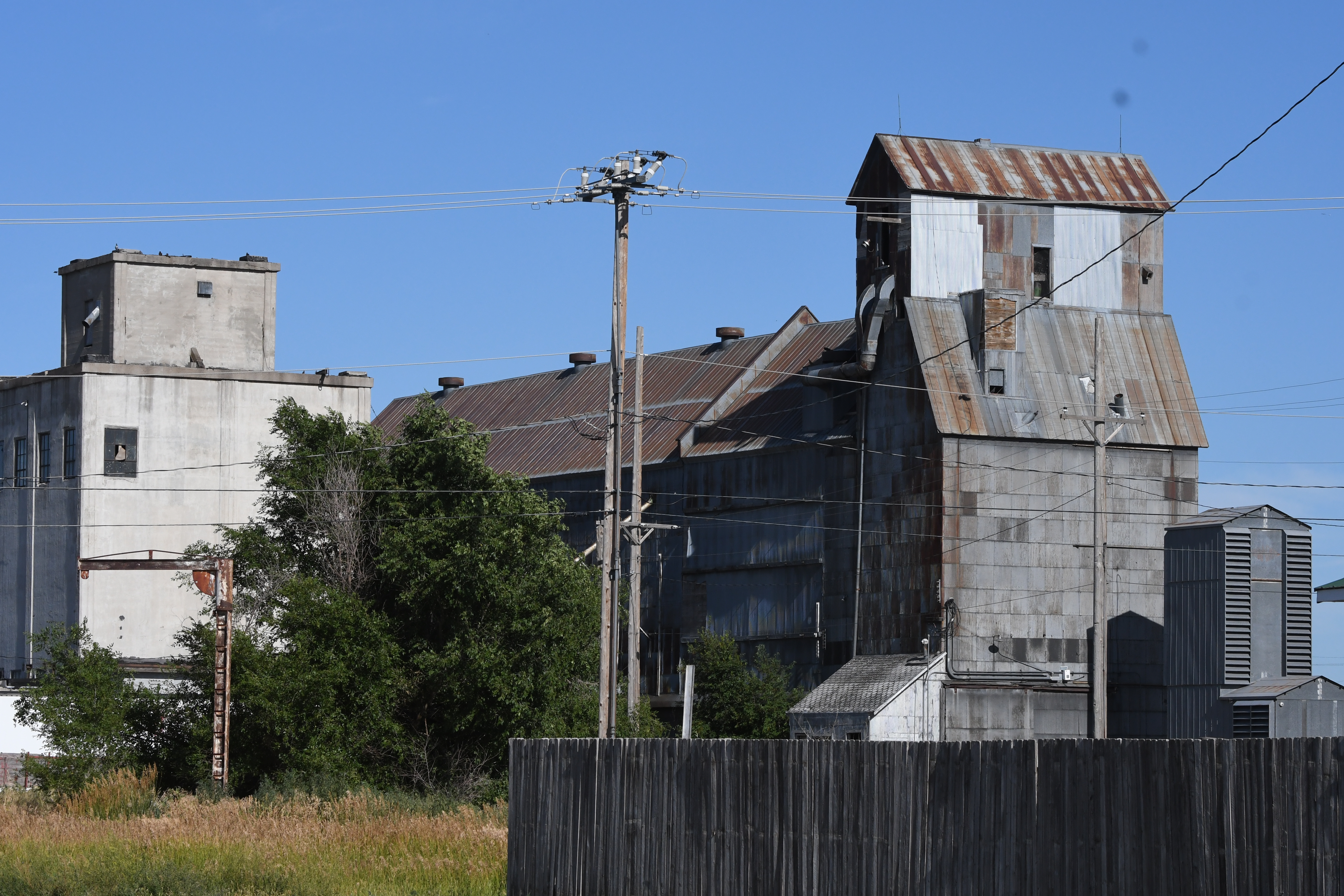
The difficulty is easy to illustrate. A case in point is the old elevator in Chugwater, Wyoming. I noticed it in the early 2000s on one of our many hunting trips while bypassing the town on I-25. I planned for a future photo shoot there, catching a cell phone image on the fly a couple of times to note its location. Once, I pulled over on the side of the road to get a couple of for-the-record shots. But when I finally decided to give it a proper visit, the elevator was nowhere to be found.

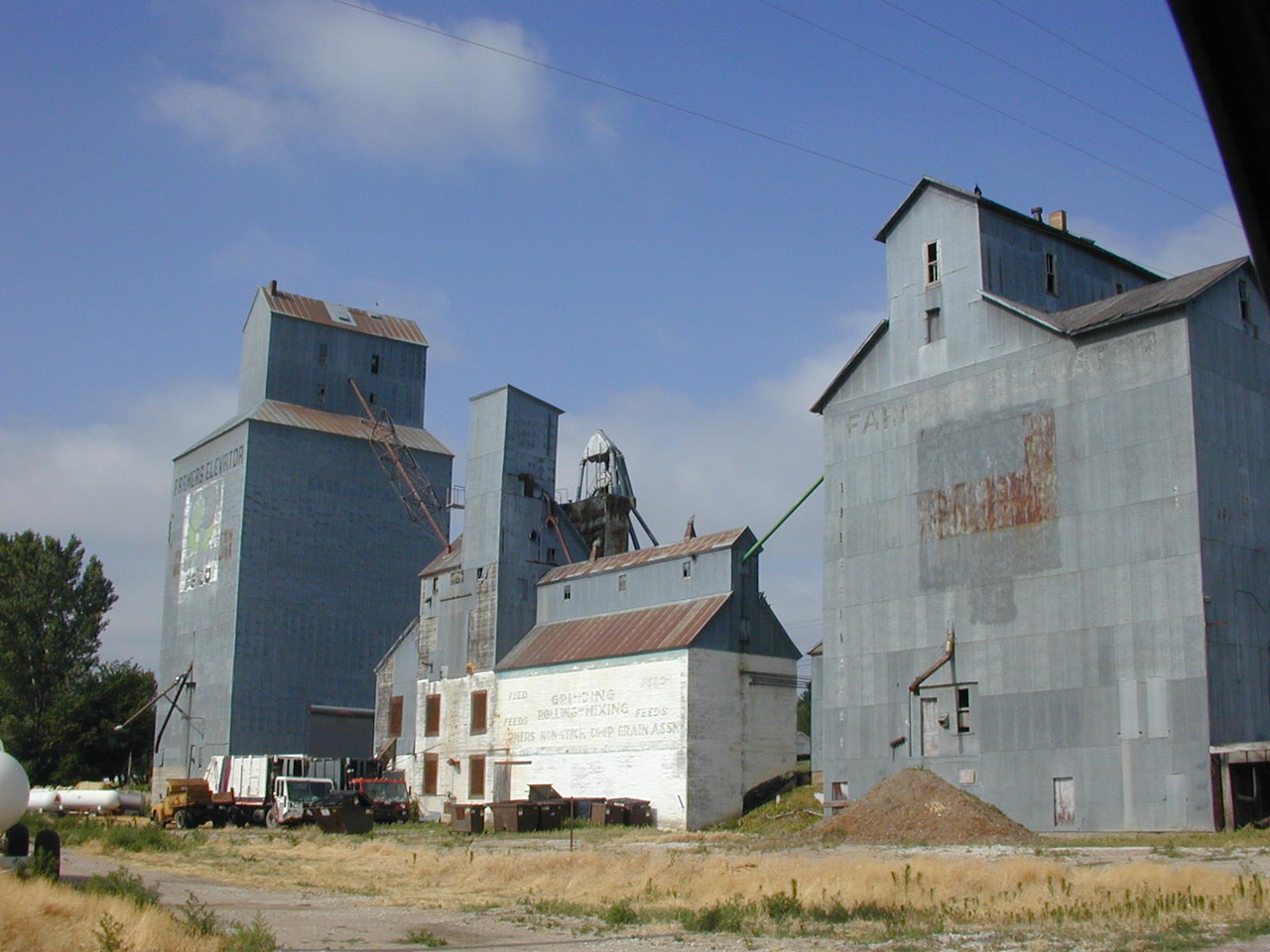
Chugwater, Wyo, 2016. The elevator on the left has disappeared.

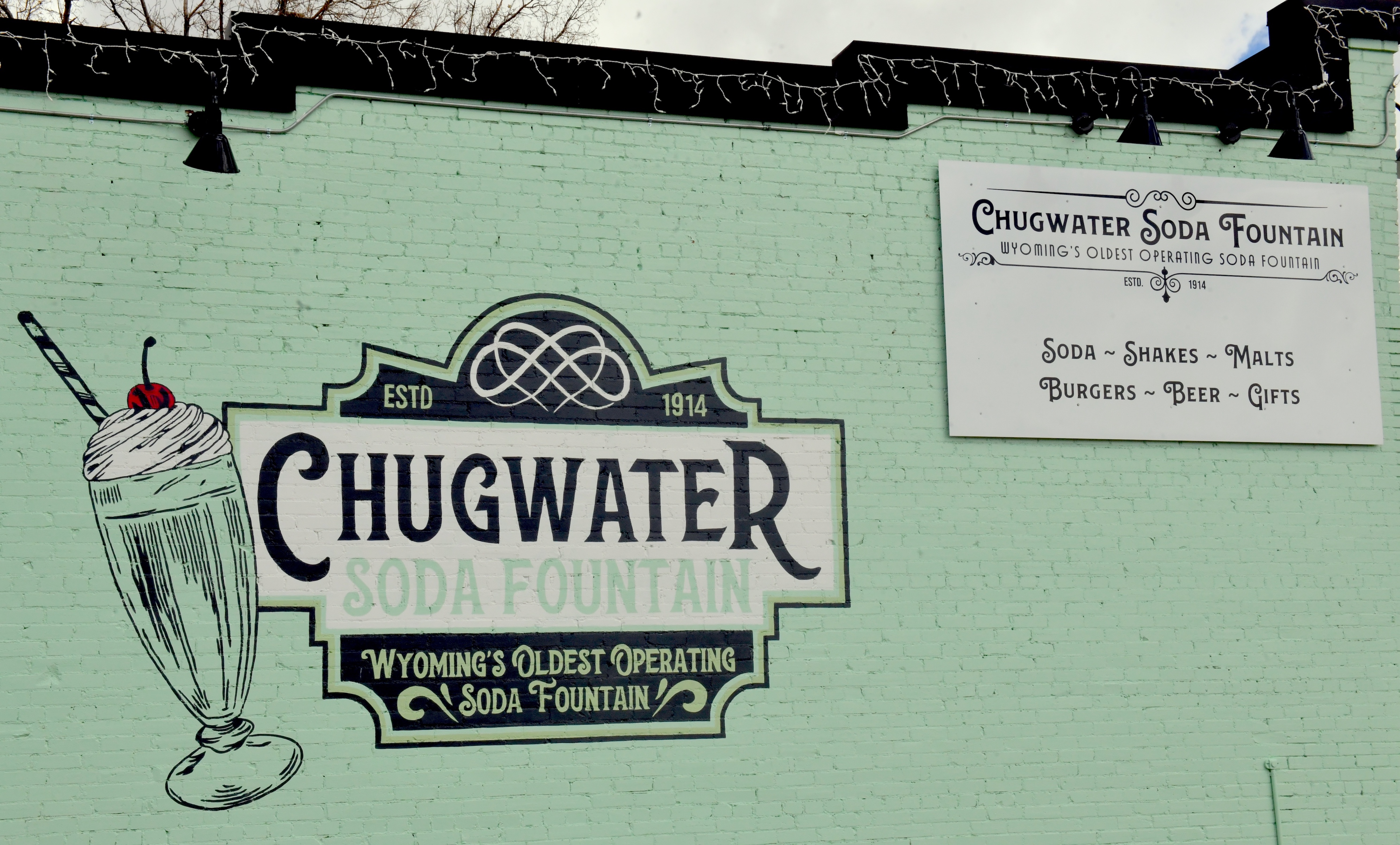
Chugwater is known for some rather fine barbecue sauce, and it also has a historic soda fountain with the best root-beer floats ever made (just don’t stop on a Tuesday or Wednesday, when they are closed). When I asked a local business proprietor how long the elevator had been gone, she didn’t know–although she grew up in the town, she didn’t notice its absence. It was just there, and then it wasn’t.

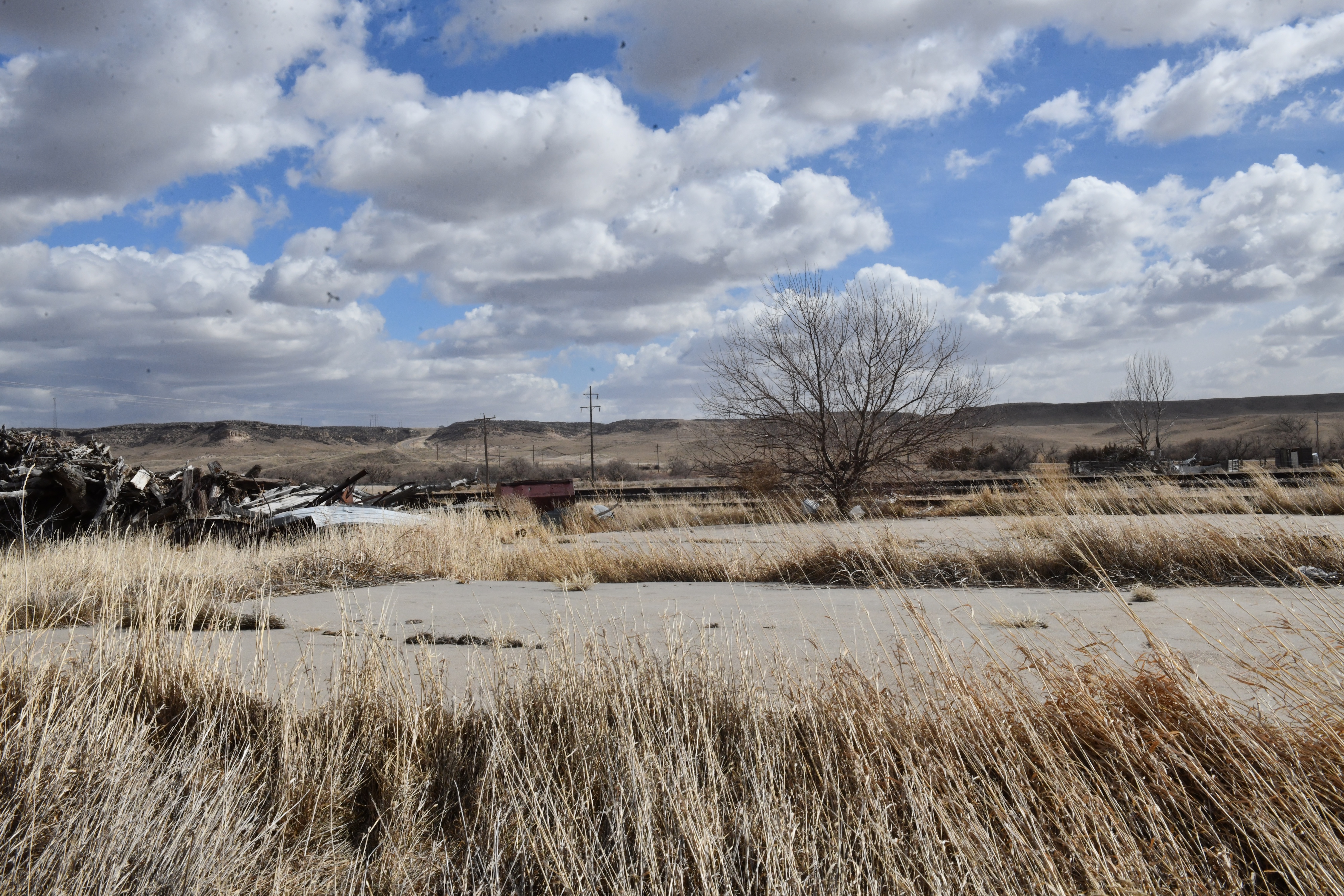
I drove to the old elevator location, and found hardly any debris. Some concrete pads still existed in the field next to the railroad tracks, but you couldn’t tell what had once stood there. I took a couple of documentary shots. Those telltale concrete pads only remained because digging up the large quantity of concrete that supported the structure would be too expensive. And who really cared?

I guess I care, and I am scrambling to catch the last moments of the few elevators I can photograph while they exist.

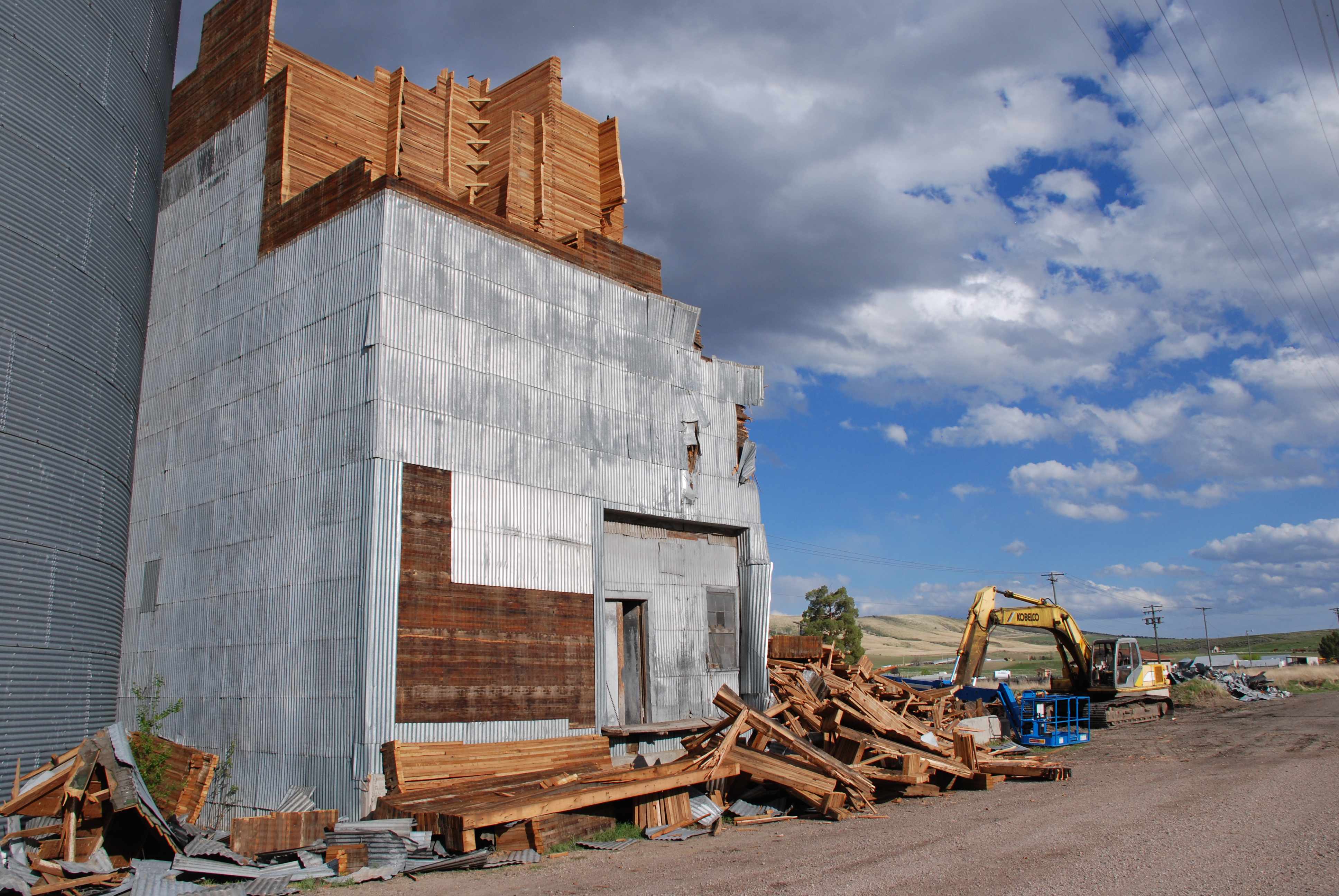
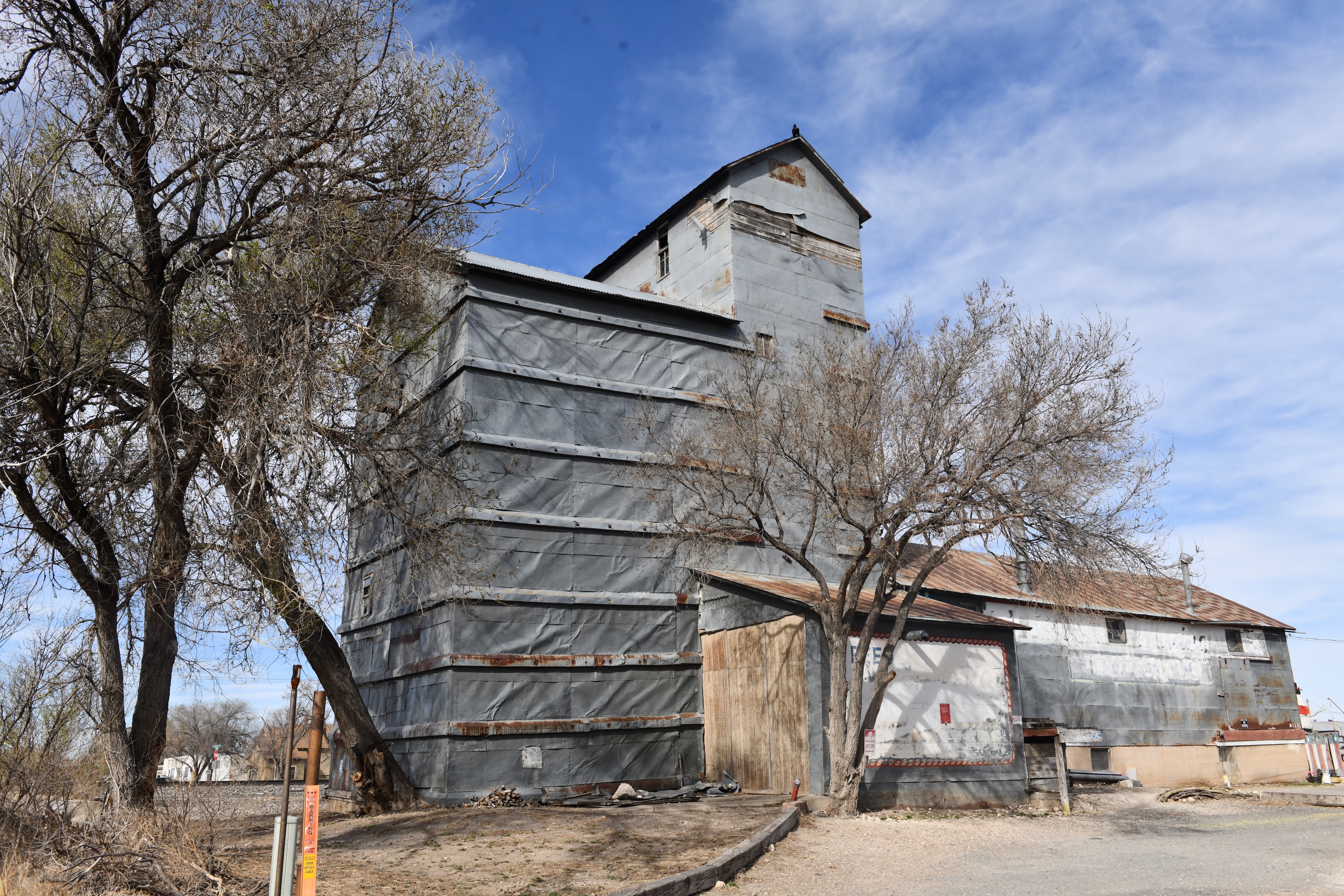
Another example is the elevator in Clayton, New Mexico. It presently serves as a coffee bean roasting facility for an adjacent coffee house, but not for much longer. The proprietor explained that the elevator was beginning to lean because the prior owner had removed some structural support beams for personal use. The elevator is showing the strain. The metal siding is beginning to buckle, and even the resident ravens seem worried.

A raven holds court atop the Clayton, NM elevator, March 2026

I took pictures–lots of them.

We will keep trying to find any surviving Van Ness Construction-built elevators, and we will document their history. In the meantime, I will catch snatches of hundred-year-old stories while memorializing wooden elevators for as long as I can.

An ancient Van Ness annex survives to the present in Alliance, Nebr.

By K O Cart

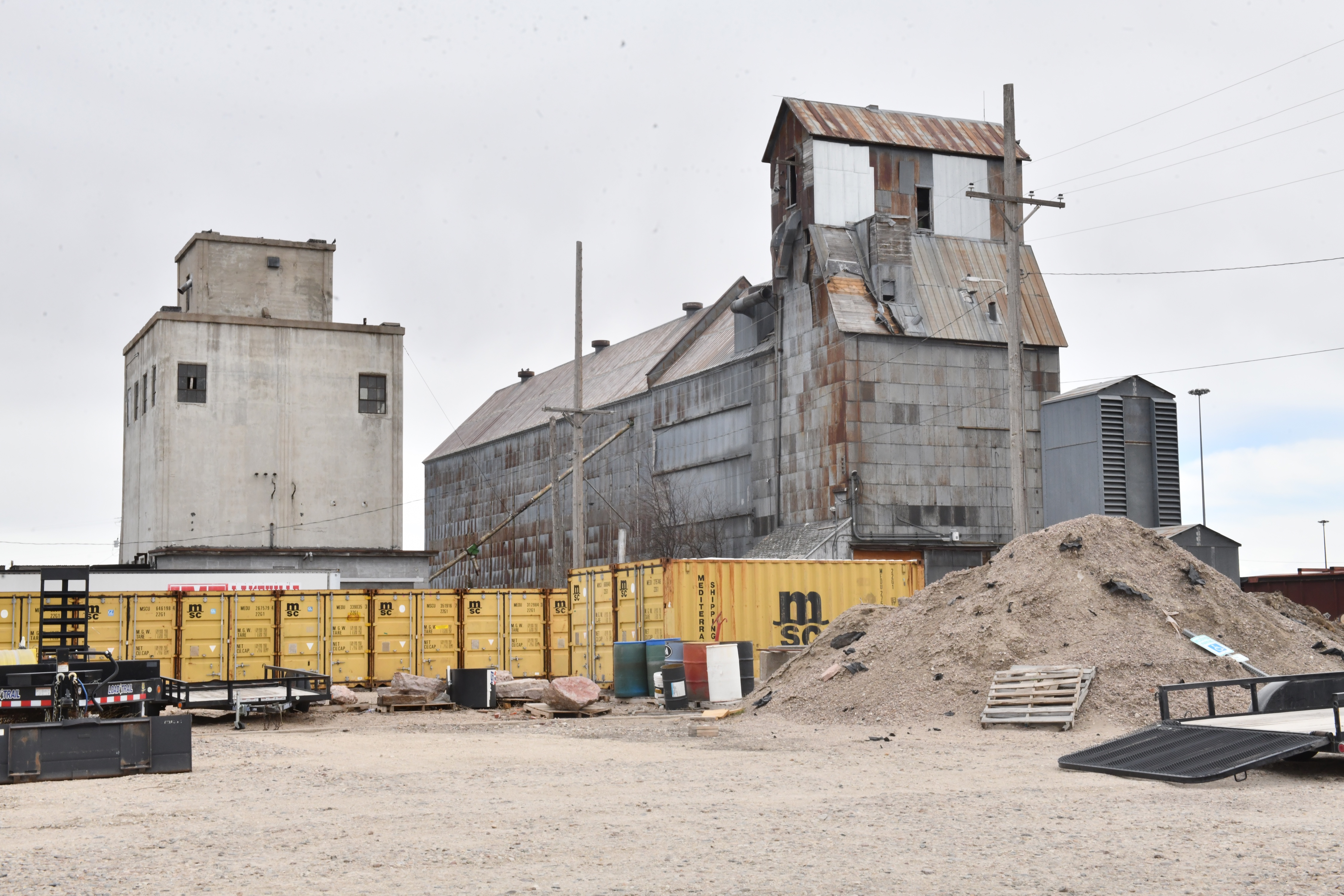
When my blogging partner Ronald Ahrens received a cache of photos from his grandfather’s estate, he discovered pictures of the construction of an elevator annex in Alliance, Nebr., as indicated by handwritten captions. I searched my old elevator photos and found this 2016 image from my stop in Alliance on a trip through Nebraska. Details of the old headhouse were an exact match to the Van Ness Construction photos from Alliance, which Ronald featured in an earlier post on this blog.

I decided to revisit the site in February to see if the elevator and annex were still standing. We were in luck.

With the passage of another decade, the elevator (pictured above in my photo) looks more tattered and plainly unused, but it stands much the same as in this image. A local man who worked nearby said that owls lived in the headhouse, and they might come out in the evening, if I wanted to see them. I didn’t have time to stay until nightfall to find out. Otherwise, all was quiet. The annex had been quite a grand affair when first built, and was solidly constructed. It had not changed very much at all from the outside in nearly one hundred years.

This Feb 2026 photo shows some sheet metal loss and roof damage on the main elevator. The annex behind it remains solid.

I researched newspaper articles about Van Ness Construction and found that they repaired, updated, and also demolished elevators in the 1920s and 30s. Their niche in elevator construction fell somewhere between the first elevator pioneers and the builders of the concrete era. It is highly unlikely that many of the first-generation elevators survive, since new technology rapidly overtook them, and many of the Van Ness-period elevators are also gone. It was quite a shock to find one of their projects still standing.

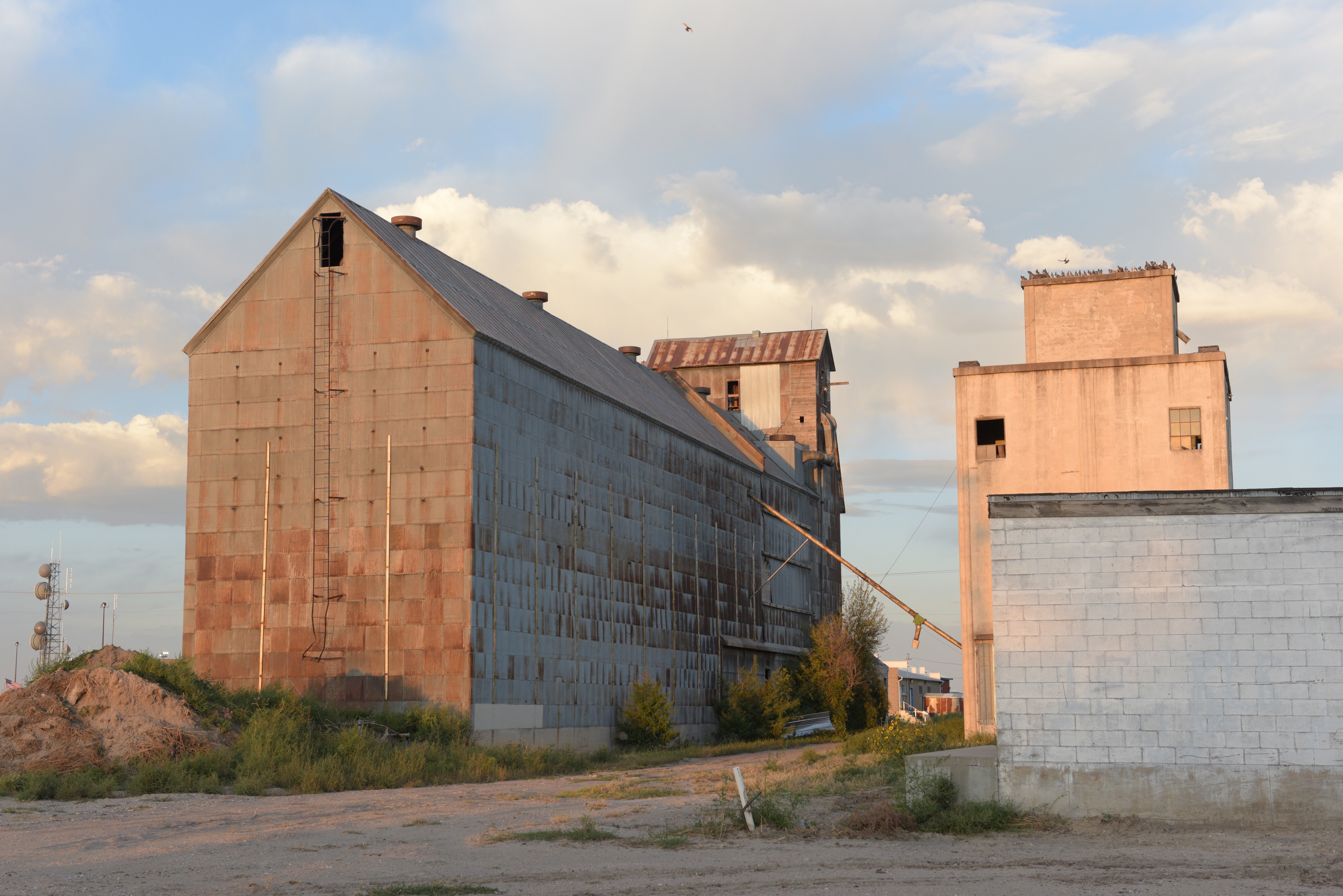
To discover a Van Ness elevator that still exists, I start with a newspaper search to find a location, then check a Google satellite view to decide whether a visit is warranted. I also check my photo archives. So far, I have found only one, which, having dodged almost a century of tornadoes and the wrecking ball, is rather amazing to find. The Alliance annex holds the title as the only known remnant of decades of work by the Van Ness Construction Company. The title will stand, until we dig up another one.

Taken in Sep 2019, this image shows the size of the annex, which dwarfs the elevator in volume. It has weathered well.

After ‘Burning Down the House’ in Filley, a new elevator went up in nearby Crab Orchard, Nebr.

For a town that today has just forty-seven people, Crab Orchard sure presented a big footprint. Among other things, the little hamlet on U.S. 136 in Johnson County, Nebraska, about 20 miles from Beatrice, boasted a weekly newspaper, the Crab Orchard Herald. For remodeling needs, the Crab Orchard Drug Co. sold paint and wallpaper, while the Crab Apple Pharmacy carried back-to-school supplies. The Crab Orchard Lumber Co. promoted Arrow Carbolineum, which killed chicken mites in poultry houses after once-yearly application.

As early as Nov. 6, 1908, the newspaper was bragging up the Crab Orchard Telephone Co. for its part in an election-night bulletin-service event that brought national results to “a large and eager crowd” that gathered at the Bank of Crab Orchard. The results were relayed via the Nebraska Telephone Co., of Tecumseh, to the Crab Orchard assembly.

The Herald’s account included a bit of boosterism:

Telephone people all over the United States have heard of Crab Orchard and its telephone system, and we have the word of a man prominently identified with the greatest system in the country to the effect that there is not a more efficient telephone service anywhere than the people of Crab Orchard are getting. 

Could anything more be needed to make a tiny community self-sufficient? The Crab Orchard Grain Co. added what it could to the effort.

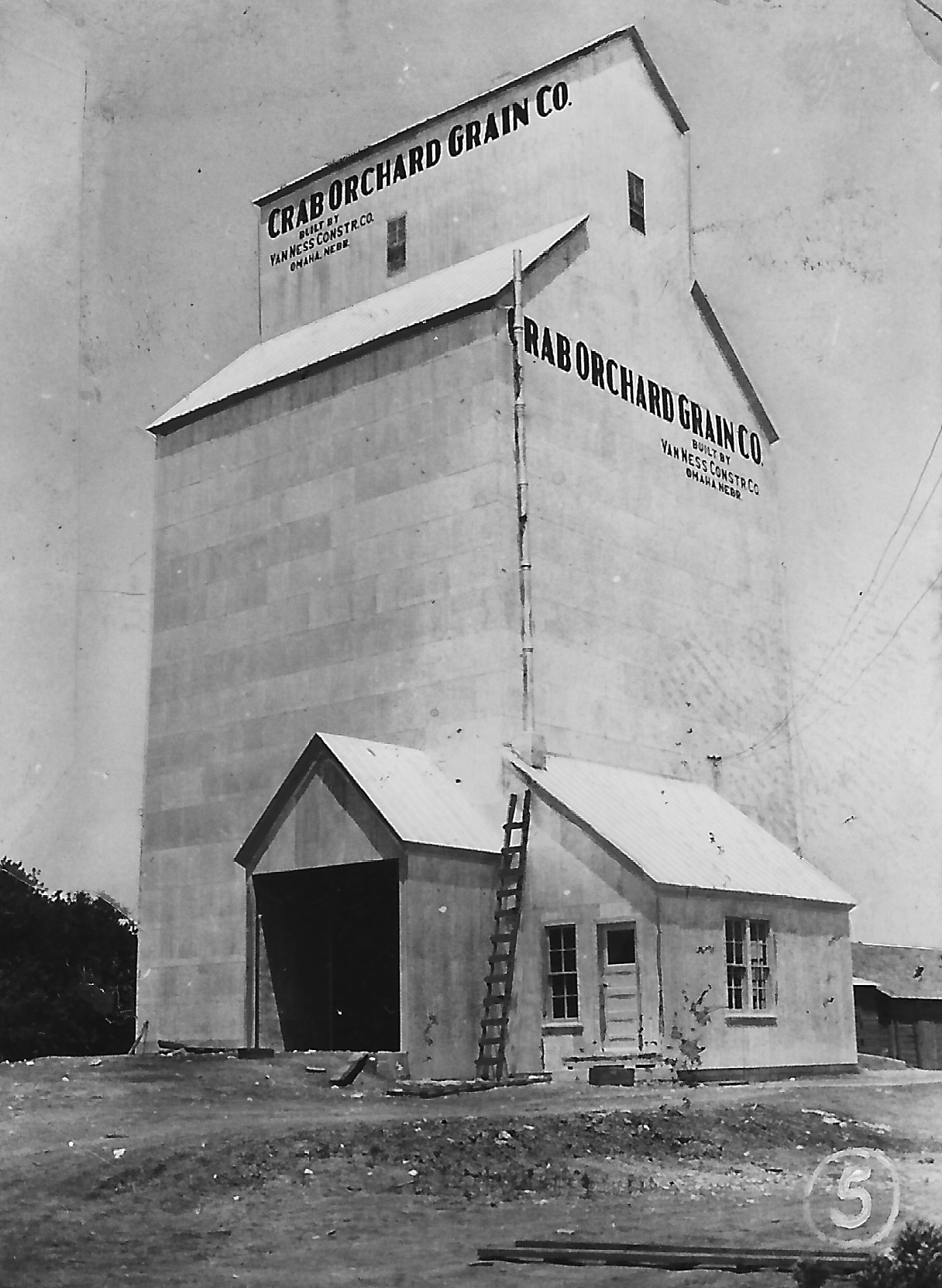
We know that Van Ness Construction Co. built a new elevator in Crab Orchard, and because Reginald Tillotson labeled the back of his photo “1934,” we nail down the year. This deduction is supported by a June 29, 1934 update from the Crab Orchard Herald:

The new elevator of the Crab Orchard Grain Co. is fast nearing completion. V.F. Wise of Grand Island, foreman of the Van Ness Construction Co., of Omaha, which is building the elevator, estimates that the job will be completed in another two weeks. The work has given employment to a large number of local men. The elevator, built at a cost of between $9,000 and $10,000, will have a capacity of well over 30,000 bushels. 

It was just over six years earlier, in the spring of 1928, that the company formed.

The Nye & Jenks elevator at Crab Orchard has been purchased by Wm. McNeil of Kansas City, the new owner taking possession immediately. The new business will be conducted under the firm name of The Crab Orchard Grain Co. R.E. Lidolph, local manager, will remain in charge.

We can’t determine when the outgoing Crab Orchard elevator was built. It conducted operations for Nye & Jenks under the motto “We Crave Business and Deal Square.”

Whatever reasons Nye & Jenks had for selling to Mr. Wise may have been compounded by the fact that the company lost an elevator in nearby Filley that April. A group of young people were returning from Beatrice after midnight when they saw “flames bursting through the roof.”

Meanwhile in Crab Orchard, R.E. Lidolph stayed put through everything, and he continued to preside after completion of the handsome new elevator.

On behalf of Crab Orchard Grain Co., he placed a Christmas ad in 1934, writing, “We wish to extend to all our customers and friends best wishes for a happy and prosperous New Year.”